
Keywords: LiFePO₄ battery transportation, lithium battery shipping, UN3480 LiFePO₄, international lithium battery transport
Introduction
As global demand for energy storage systems continues to rise, the international transportation of LiFePO₄ (Lithium Iron Phosphate) batteries has become a critical issue for manufacturers, distributors, and system integrators. Although LiFePO₄ batteries are considered safer than traditional lithium-ion chemistries, they are still classified as dangerous goods and must comply with strict international transportation regulations.
This article provides a comprehensive guide to LiFePO₄ battery international shipping, including classification, regulations, packaging, labeling, documentation, and best practices for safe and compliant transport.
1. Are LiFePO₄ Batteries Dangerous Goods?
LiFePO₄ batteries are lithium-ion batteries and fall under Class 9 Dangerous Goods according to international transport regulations.
Common UN numbers include:
- UN3480 – Lithium-ion batteries (shipped alone)
- UN3481 – Lithium-ion batteries packed with equipment or contained in equipment
Even though LiFePO₄ chemistry is thermally stable and less prone to thermal runaway, regulatory authorities still treat them as hazardous materials during transportation.
2. Main International Regulations
LiFePO₄ battery transportation must comply with multiple international standards:
- UN38.3 Testing – Mandatory for all lithium batteries before shipment
- IATA DGR – For air transportation
- IMDG Code – For sea transportation
- ADR / RID – For road and rail transport in Europe
Without UN38.3 test reports and proper classification, shipments may be rejected by airlines, shipping lines, or customs authorities.
3. Packaging Requirements
Proper packaging is essential to prevent short circuits, physical damage, and fire risks:
- Use UN-certified outer cartons or wooden crates
- Individual battery terminals must be insulated
- Strong internal cushioning to prevent movement
- For large energy storage batteries, steel or plywood crates with shock absorption are recommended
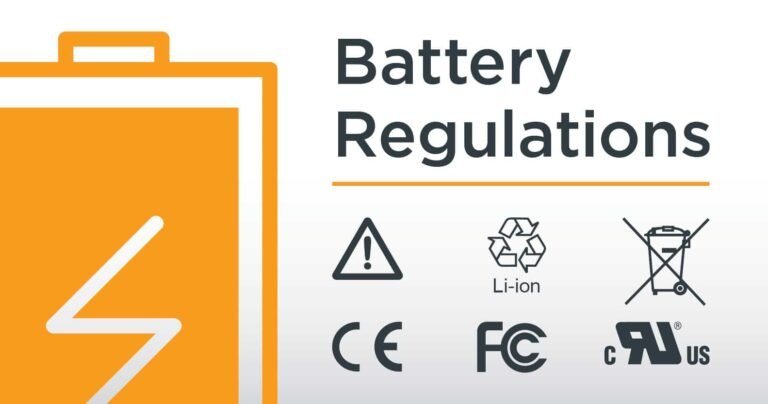
4. Labeling and Marking
Each package must display:
- Lithium battery hazard label (Class 9)
- UN number (UN3480 / UN3481)
- Handling label with battery symbol
- Shipper and consignee information
Incorrect labeling is one of the most common reasons for shipment delays.
5. Shipping Documents
Required documents typically include:
- UN38.3 Test Summary
- MSDS (Material Safety Data Sheet)
- Dangerous Goods Declaration (for air & sea freight)
- Packing List and Commercial Invoice
6. Best Practices for Exporters
- Always work with experienced dangerous goods forwarders
- Pre-check airline and shipping line lithium battery policies
- Avoid shipping fully charged batteries (recommended SOC ≤ 30%)
- Perform drop tests and vibration tests for large battery packs
Conclusion
International transportation of LiFePO₄ batteries requires strict compliance with global regulations and professional handling. By understanding classification, packaging, labeling, and documentation requirements, exporters can significantly reduce risks, delays, and transportation costs while ensuring safe delivery to overseas customers.