
Keywords: ship LiFePO₄ batteries, lithium battery air transport, lithium battery sea freight, battery shipping cost
Introduction
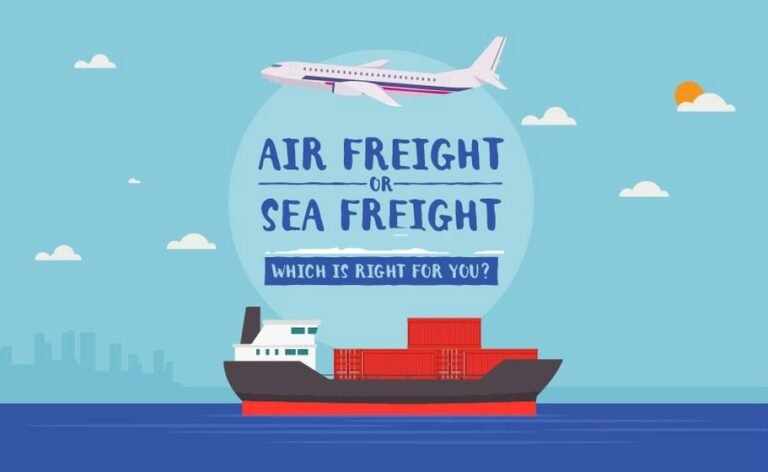
Choosing the right transportation method is crucial when exporting LiFePO₄ batteries internationally. Air freight and sea freight each have different regulatory requirements, cost structures, transit times, and risk profiles. This article compares air and sea shipping options to help battery exporters and buyers select the most suitable logistics solution.
1. Air Transportation of LiFePO₄ Batteries
Air transport is the fastest method but also the most restricted.
Advantages:
- Short delivery time
- Suitable for urgent orders or samples
Limitations:
- Strict IATA Dangerous Goods rules
- Capacity restrictions for large batteries
- High freight cost
Airlines usually require:
- Full UN38.3 reports
- Dangerous Goods Declaration
- SOC below 30%
2. Sea Transportation of LiFePO₄ Batteries
Sea freight is the most common method for energy storage batteries.
Advantages:
- Lower cost per kWh
- Suitable for heavy and large battery systems
- Fewer quantity restrictions
Challenges:
- Longer transit time
- Moisture and corrosion risks
- Requires strong seaworthy packaging
3. Cost Comparison
Air freight cost may be 5–10 times higher than sea freight for lithium batteries. For large ESS projects, sea shipping is almost always the preferred option.
4. Safety and Risk Control
- Use desiccant and vacuum packing for sea freight
- Install fire-resistant liners inside containers
- Separate battery pallets to allow ventilation
5. Recommendation
For:
- Small samples / urgent spare parts → Air freight
- Mass production / energy storage systems → Sea freight
Conclusion
Selecting the correct shipping method can greatly affect cost, delivery time, and compliance risk. Sea freight remains the mainstream solution for LiFePO₄ battery international logistics.