
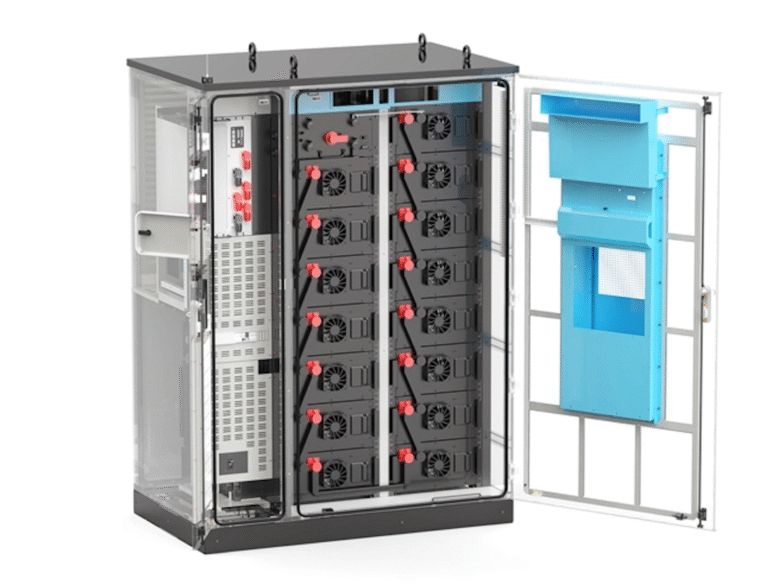
Meta Description:
Learn how rainy and humid environments affect LiFePO₄ batteries in energy storage systems and discover proven protection strategies to ensure safe and reliable operation.
Keywords: LiFePO₄ battery rainy weather, lithium iron phosphate humidity impact, energy storage battery protection, waterproof battery enclosure, ESS rainy climate design
1. Introduction
Rainy seasons and high-humidity environments present unique operational challenges for energy storage systems (ESS). While LiFePO₄ batteries are known for their stability and safety, prolonged exposure to moisture, condensation, and temperature fluctuations can influence electrical insulation, connectors, and battery management systems (BMS). Understanding these factors is crucial for installers, EPC contractors, and battery integrators operating in tropical or coastal regions.
2. Key Impacts of Rainy Weather on LiFePO₄ Batteries
2.1 Increased Ambient Humidity
High humidity can cause:
- Connector oxidation
- Insulation resistance reduction
- Potential current leakage paths
Although LiFePO₄ chemistry itself is stable, external components such as terminals and busbars are vulnerable to corrosion if not properly protected.
2.2 Condensation Risk
Rapid temperature differences between day and night during rainy seasons can lead to condensation inside battery cabinets. This moisture can:
- Affect PCB boards in the BMS
- Trigger short circuits if sealing is inadequate
- Accelerate metal corrosion
3. Electrical Safety Considerations
Rainwater intrusion combined with dust can create conductive paths. This increases the risk of:
- Ground faults
- BMS communication failures
- System insulation alarms
Therefore, maintaining high insulation resistance (>100MΩ) is critical in humid ESS installations.
4. Mechanical and Structural Protection Measures
4.1 IP-Rated Enclosures
Outdoor LiFePO₄ battery systems should use enclosures rated:
- IP55 minimum for rain splash protection
- IP65 recommended for heavy rainfall regions
4.2 Sealed Cable Glands
Water ingress often occurs through cable entry points. Waterproof cable glands with silicone sealing rings are essential.
5. Thermal Performance in Rainy Conditions
Rainy environments usually bring lower ambient temperatures, which can:
- Improve cycle life
- Reduce thermal runaway risk
However, excessively low temperatures combined with moisture can affect charging efficiency. Therefore, integrated temperature-controlled heating modules are recommended for outdoor ESS cabinets.
6. Recommended Preventive Measures
- Use anti-corrosion coating on terminals
- Install humidity sensors inside battery racks
- Ensure proper cabinet ventilation with waterproof membranes
- Apply conformal coating on BMS PCBs
7. Conclusion
Rainy weather does not inherently harm LiFePO₄ batteries, but system-level protection design is essential. Proper enclosure sealing, corrosion-resistant materials, and humidity monitoring ensure long-term reliability of energy storage batteries deployed in humid and rainy climates.