
Keywords: LiFePO4 air shipping, IATA lithium battery rules, lithium battery air freight, IATA DGR, LiFePO4 safety transport by air.
Introduction
Air transport of LiFePO₄ storage batteries is the fastest but most strictly regulated logistic method. Due to the high energy density of LFP batteries, airlines follow IATA DGR (Dangerous Goods Regulations) to ensure aviation safety.
1. Air Transport Restrictions for LFP Batteries
Whether the battery is allowed by air depends on:
- Watt-hour (Wh) rating
- Whether it is standalone or installed in equipment
- Packaging method
- Proper labeling
For energy storage batteries (usually over 100Wh), special approval is required.
2. Key IATA Requirements
✔ UN38.3 test passed
✔ MSDS provided
✔ Terminals must be fully insulated
✔ Strong outer packaging required
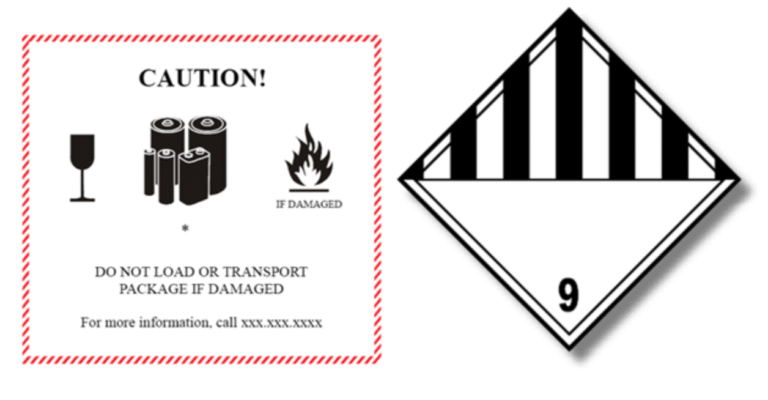
✔ Mandatory Class 9 Dangerous Goods label
✔ Proper declaration form (Shipper’s Declaration for Dangerous Goods)
3. Packaging Requirements
- Use UN-certified cartons
- Each battery individually protected
- Cushioning material to prevent movement
- No metal-to-metal contact
- Fire-resistant packaging for large systems
4. When Air Transport Is Not Allowed
Batteries cannot fly if:
- They are damaged or swollen
- The Wh rating exceeds airline limits
- Packaging does not follow IATA rules
Conclusion
Air freight is efficient but requires strict compliance with IATA DGR. For urgent shipments, working with a Dangerous Goods–experienced freight forwarder is essential.