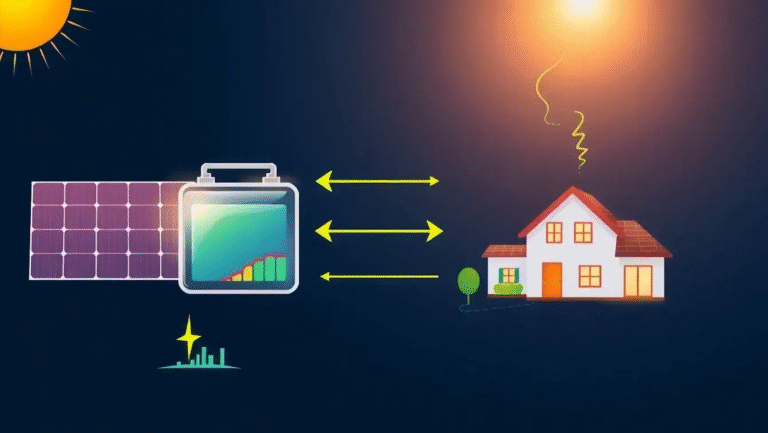
Purchase guide
Best Battery Usage Strategy for Solar Systems
🔋 Introduction A well-designed solar battery system is not just about hardware—it’s about how you use it. 📊 Key Objectives 🔍 Core Strategy 1️⃣ Optimize

🔋 Introduction A well-designed solar battery system is not just about hardware—it’s about how you use it. 📊 Key Objectives 🔍 Core Strategy 1️⃣ Optimize
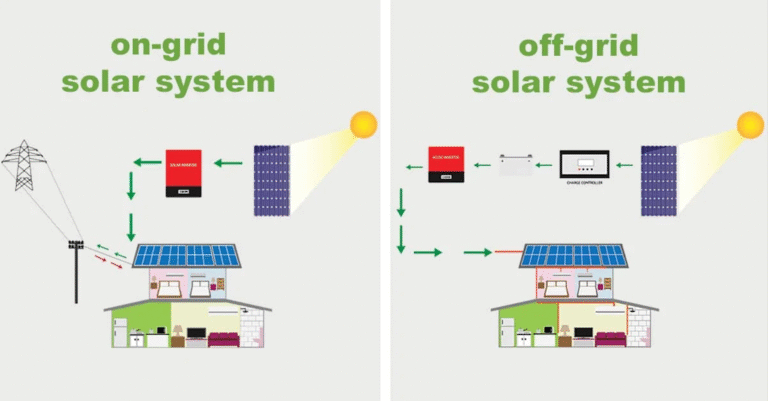
🔋 Introduction Battery usage differs significantly between: 👉 And this directly impacts lifespan. ⚖️ Key Difference System Type Usage Pattern Off-grid Daily full cycling On-grid
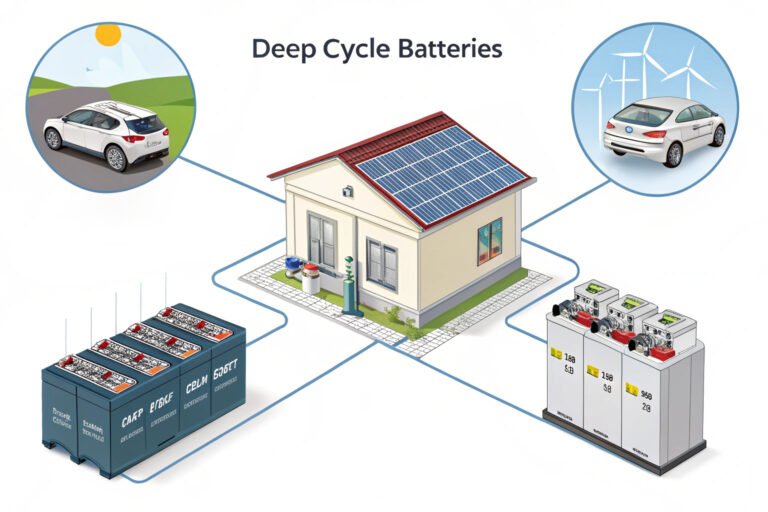
🔋 Introduction Deep cycle applications require batteries that can: 🔍 What Is Deep Cycle? 👉 Repeated discharge and recharge cycles Examples: 📊 Lithium vs Lead-Acid
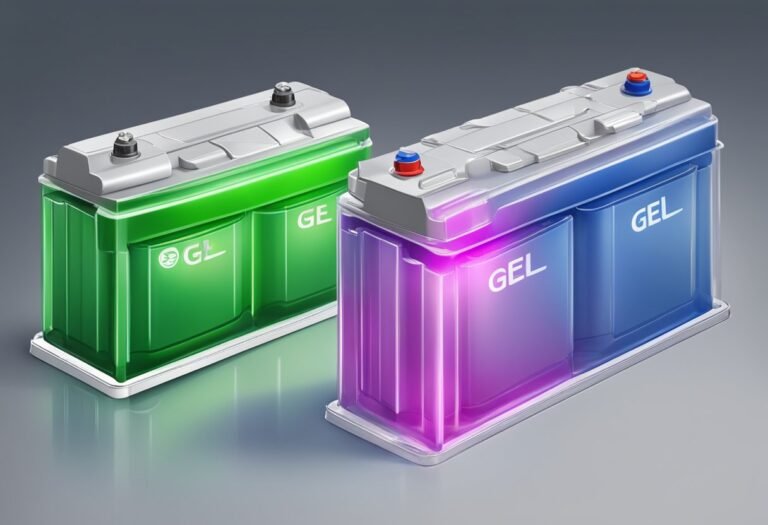
🔋 Introduction There are three common battery types in energy storage: Which one is best? 📊 Full Comparison Table Feature LiFePO4 AGM Gel Cycle Life
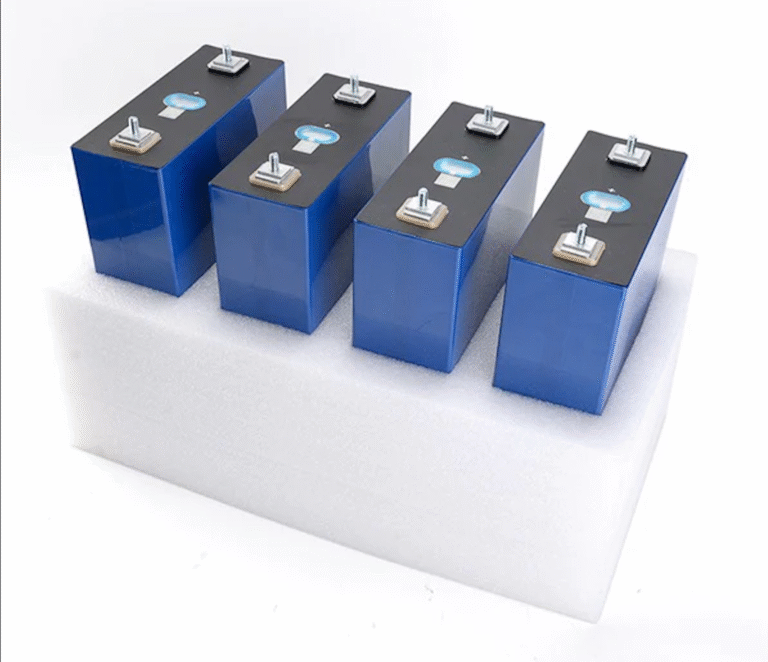
🔋 Introduction Many suppliers claim 6000+ cycles, but not all systems actually achieve it in real-world use. So how can you truly reach this level?
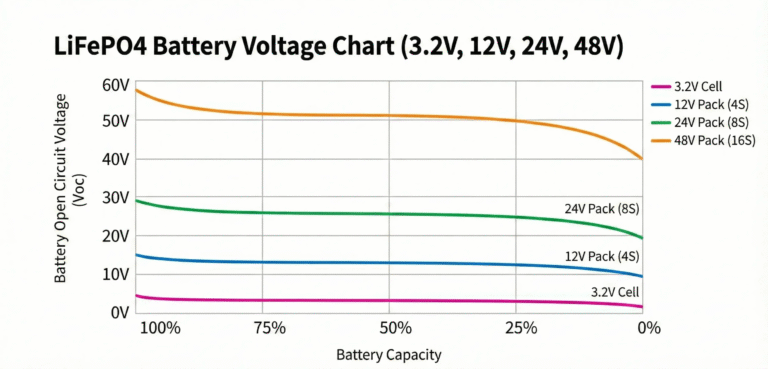
🔋 Introduction All batteries degrade over time—but not all degrade the same way. LiFePO4 batteries are known for their stable and predictable degradation curve. 📈
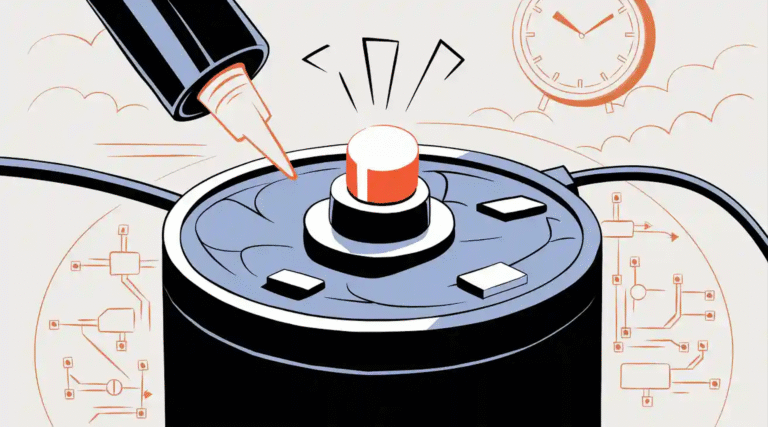
🔋 Introduction Not all battery cycles are equal. 👉 Partial charging and discharging can significantly extend battery life. 📌 What Is Partial Cycling? Instead of:
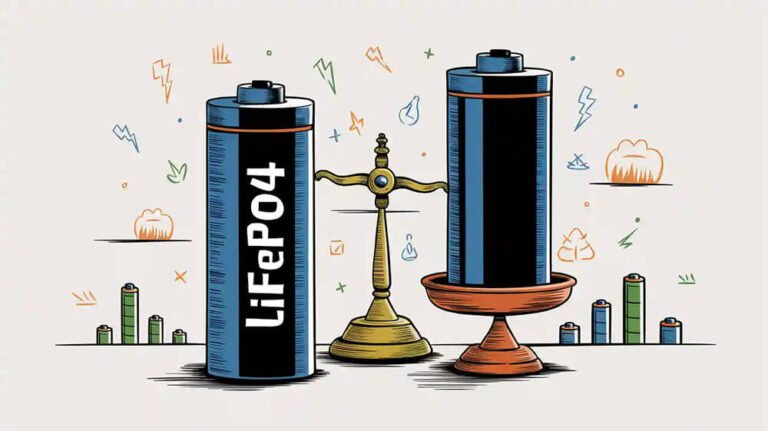
🔋 Introduction LiFePO4 batteries are rapidly replacing traditional lead-acid batteries. But why do they last so much longer? 📊 Cycle Life Comparison Battery Type Cycle

🔋 Introduction When designing a battery system, one of the most important questions is: 👉 Should you use 80% or 100% depth of discharge (DOD)?
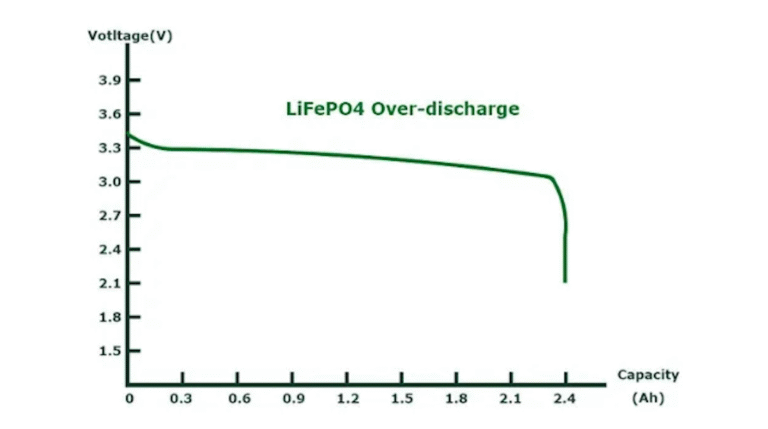
🔋 Introduction Many users ask: 👉 “Can I use 100% of my LiFePO4 battery capacity?” The short answer is: Yes, but it comes with trade-offs.