
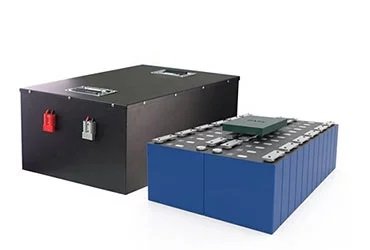
Introduction
Material selection determines not only the appearance of a LiFePO₄ battery enclosure, but also its mechanical strength, corrosion resistance, thermal performance, and fire safety level.
Steel Enclosures
Characteristics
- High mechanical strength
- Excellent impact resistance
- Superior fire resistance
Typical Applications
- Industrial energy storage systems
- Containerized ESS
- Outdoor battery cabinets
Limitations
- Heavy weight
- Higher transportation and installation cost
Aluminum Enclosures
Advantages
- Lightweight but structurally strong
- Excellent heat dissipation
- Natural corrosion resistance
Typical Applications
- Rack-mounted battery modules
- Wall-mounted residential ESS
- Commercial indoor installations
Plastic & Composite Enclosures
Materials Used
- ABS
- PC (Polycarbonate)
- Glass fiber reinforced plastics
Benefits
- Lightweight
- Electrical insulation
- Flexible appearance design
Considerations
- Must meet flame-retardant standards (UL94 V-0)
- Limited heat resistance compared to metal
Material Selection Criteria
- Installation environment
- Fire safety regulations
- Weight and mounting constraints
- Project budget
SEO Keywords
LiFePO₄ battery enclosure materials, aluminum lithium battery housing, steel ESS cabinet
Conclusion
Choosing the correct enclosure material ensures a balanced combination of safety, durability, and cost efficiency.