
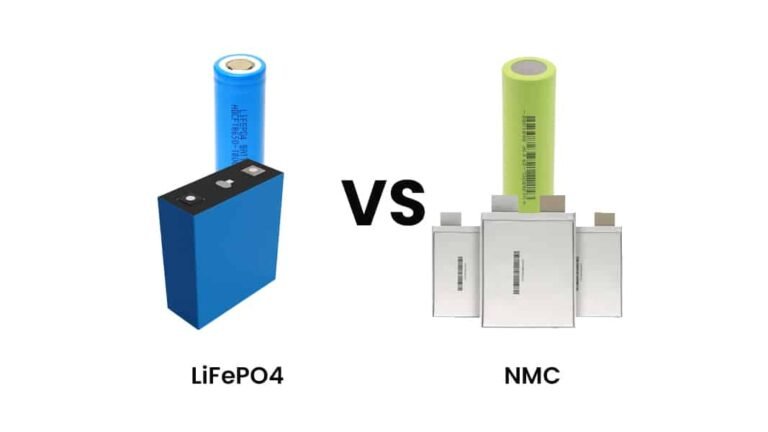
SEO Keywords: LiFePO4 vs NMC battery, LFP vs lithium-ion comparison, best battery chemistry for energy storage, LFP safety advantages
Choosing a suitable battery chemistry is one of the most critical steps when designing an energy storage system (ESS). Although multiple lithium battery chemistries exist, LiFePO₄ (LFP) has become the preferred option for residential, commercial, and industrial storage projects. This article compares LFP with other common chemistries such as NMC, NCA, and LCO to help customers make an informed decision.
1. Safety Comparison: LFP Leads the Industry
Safety is the foundation of energy storage applications.
| Chemistry | Thermal Stability | Fire/Explosion Risk | Safety Rating |
|---|---|---|---|
| LiFePO₄ (LFP) | ★★★★★ | Very low | Excellent |
| NMC | ★★☆☆☆ | Moderate | Good |
| NCA | ★★☆☆☆ | Higher | Fair |
| LCO | ★☆☆☆☆ | High | Poor |
Why LFP is safer:
- Strong P–O chemical bond prevents thermal runaway
- Stable temperature profile
- Difficult to catch fire even under abuse conditions
This makes LFP ideal for home solar systems, energy storage cabinets, and off-grid sites.
2. Cycle Life Comparison
Energy storage requires batteries that are cycled daily.
| Chemistry | Typical Cycle Life | Application |
|---|---|---|
| LFP | 4000–7000 cycles | ESS, EV, telecom |
| NMC | 1500–2500 cycles | EV, portable devices |
| NCA | 1200–2000 cycles | High-energy EV |
| LCO | 800–1200 cycles | Consumer electronics |
LFP lasts 2–3 times longer than NMC/NCA in daily cycling.
3. Performance at Different Temperatures
- LFP may have slightly lower performance in extremely cold environments
- NMC performs slightly better at low temperatures
But with heating functions, LFP batteries remain reliable even at –20°C.
4. Cost per Cycle Comparison
Although NMC batteries have higher energy density, LFP offers the best cost per cycle, which is crucial for ESS.
Example:
- NMC: lower cost upfront but shorter lifespan
- LFP: slightly higher price, much lower lifetime cost
5. Environmental Impact
LFP contains:
- No cobalt
- No nickel
- More environmentally friendly and easier to recycle
This is increasingly important for ESG compliance in global projects.
Conclusion
LiFePO₄ is the safest, most durable, and most economical chemistry for energy storage. For solar, home ESS, C&I projects, and telecom backup, LFP is the best choice.