
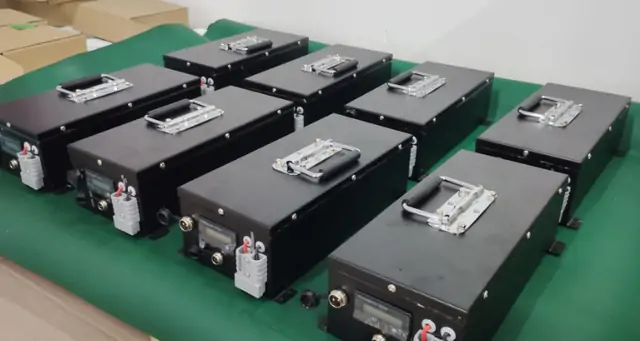
LiFePO₄ (Lithium Iron Phosphate) batteries have become the preferred energy storage solution for residential solar systems, telecom backup power, commercial ESS, off-grid cabins, and industrial microgrids due to their excellent cycle life, high safety level, and environmental friendliness.
However, even though LiFePO₄ batteries require less maintenance than lead-acid batteries, proper daily care still plays a crucial role in ensuring long-term stability, performance, and safety.
This comprehensive guide covers everything from SOC management and cable inspection to firmware optimization and environmental control.
1. Maintain the Battery Within the Optimal Temperature Range
Temperature is a critical factor that directly affects battery chemistry, internal resistance, and cycle life.
Recommended Ranges
- Operating Temperature: 10°C – 35°C
- Charging Temperature: 0°C – 45°C
- Discharging Temperature: –20°C – 55°C
- Storage Temperature: 10°C – 25°C (ideal)
Why Temperature Matters
- High temperatures accelerate electrolyte aging, shorten cycle life, and increase internal resistance.
- Low temperatures reduce discharge efficiency and can permanently damage the battery if charged below 0°C.
Daily Maintenance Tips
✔ Keep batteries away from inverters, heaters, and direct sunlight.
✔ Ensure the cabinet or rack is well-ventilated.
✔ For outdoor ESS, use UV-resistant, insulated, and weather-proof enclosures.
✔ In cold regions, activate low-temperature protection or install a battery heater.
2. Monitor and Maintain Proper SOC Levels
Many users mistakenly believe keeping the battery fully charged is good.
For LiFePO₄ chemistry, moderate SOC improves longevity.
Daily Recommendations
- Keep SOC between 20%–90% during regular use.
- Avoid storing the battery at 100% or 0% for long periods.
- For storage longer than 1 month, keep SOC at 50%–70%.
Why This Matters
- High SOC increases voltage stress on each cell.
- Low SOC accelerates SEI film growth and affect BMS calibration.
Daily Routine Checklist
✔ Check SOC via inverter app or BMS display.
✔ Adjust charging schedule for solar systems depending on season.
✔ Reduce loads during cloudy days to prevent deep discharge.
3. Inspect All Electrical Connections
Loose connections are one of the most common causes of ESS failures.
Items to Inspect
- Terminal screws
- Busbars and conductive plates
- Breakers, fuses, and disconnect switches
- DC input cables
- Communication ports (RS485 / CAN)
What to Look For
- Corrosion
- Heat discoloration
- Oxidized terminals
- Frayed insulation
- Unusual smell or burning marks
Maintenance Tips
✔ Tighten terminals every 3–6 months using a torque wrench.
✔ Apply dielectric grease if in humid environments.
✔ Avoid mixing cables with AC lines to reduce EMI.
✔ Replace damaged connectors immediately.
4. Perform BMS Data Monitoring and Firmware Updating
The BMS is the “brain” of a LiFePO₄ battery and is responsible for:
- Cell balancing
- Temperature monitoring
- Overcurrent and over-voltage protection
- SOC calculation
- Communication with inverters
Daily Checks
- Cell voltage balance (difference < 0.03V recommended)
- Temperature uniformity between cells
- Charge/discharge current
- Error codes or warning logs
Why Firmware Updates Matter
Manufacturers frequently release updates to:
- Optimize charging curve
- Improve communication with major inverter brands
- Enhance thermal protection
- Fix BMS bugs
Always follow manufacturer guidelines when updating.
5. Maintain a Clean and Dust-Free Environment
Dust, moisture, and chemical corrosion can affect cable insulation and cause electrical leakage.
Tips
✔ Install the battery in a clean, dry room.
✔ Add silica gel packets if humidity exceeds 70%.
✔ Check the enclosure for insects, rodents, or water ingress.
✔ Keep airflow unobstructed.
6. Schedule Routine Functional Tests
Monthly or quarterly tests help identify early degradation or imbalance.
Recommended Tests
- Capacity test (if allowed by the system)
- Calibration run (charge to 100% once every 2–3 months)
- Individual cell voltage reading
- Thermal response test
- Load test under maximum discharge current
SEO Keywords
LiFePO4 battery maintenance guide, lithium iron phosphate ESS care, daily maintenance for energy storage battery, extend LiFePO4 battery life, LFP battery best practices, solar battery maintenance tips