
SEO Keywords: LiFePO4 battery for home energy storage, LFP solar battery, choosing LiFePO4 battery, residential energy storage system
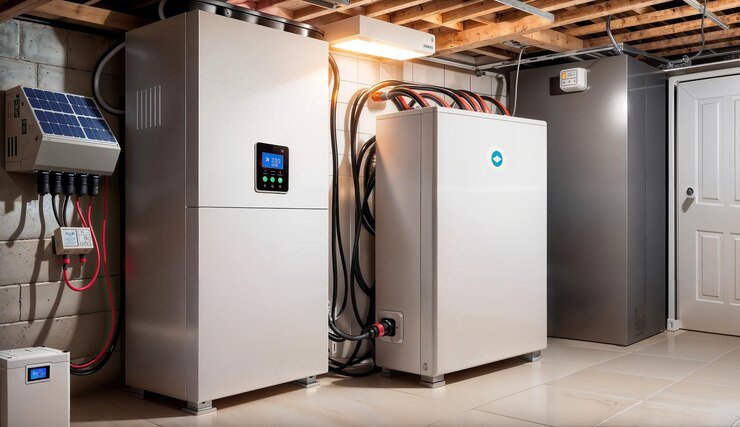
Home energy storage systems are becoming a core part of modern solar installations, backup systems, and off-grid applications. LiFePO₄ (LFP) batteries are the best choice due to their long lifespan, high safety, and stable chemical structure. But choosing the right LiFePO₄ battery requires more than looking at voltage and capacity. Below is a detailed guide for homeowners seeking the best LFP battery option.
1. Evaluate Your Daily Energy Requirements
Calculate the amount of energy your household needs:
- Total daily kWh consumption
- Essential loads during power outages
- Expected duration of backup time
- Roof solar capacity (kW)
Example:
A household using 12–15 kWh/day often installs a 10–20 kWh LiFePO₄ battery bank.
2. Select Proper Battery Voltage (12V / 24V / 48V / High Voltage Packs)
Voltage determines efficiency, cable size, and inverter compatibility.
| System Type | Ideal Voltage | Advantages |
|---|---|---|
| RV / Small Off-grid | 12V | Simple wiring, low cost |
| Small home solar | 24V | Higher efficiency than 12V |
| Modern home ESS | 48V | Best efficiency, safest, widely supported |
| Whole-house hybrid ESS | 100–600V HV packs | High power output, professional systems |
Tip:
For home storage, 48V LiFePO₄ batteries are the most recommended.
3. Depth of Discharge (DoD) Matters
LiFePO₄ batteries typically offer:
- 90–100% usable capacity
- Very low degradation under deep cycling
Look for DoD specifications of ≥ 90% to maximize energy availability.
4. Compare Cycle Life and Warranty
Cycle life is one of the biggest advantages of LiFePO₄.
High-quality batteries offer:
- 4000–7000 cycles @80% DoD
- 10+ years lifespan
A strong warranty (5–10 years) is a sign of manufacturer confidence.
5. Check BMS Protection Features
A good battery MUST include:
- Over-voltage protection
- Low-voltage cut-off
- Over-current and short-circuit protection
- High-temperature and low-temperature protection
- Cell balancing function
Advanced BMS systems allow Bluetooth or RS485/CanBus monitoring.
6. Safety & Transportation Certifications
For exporting and international installation, certifications are crucial:
- UN38.3 (transport safety)
- IEC62619 (ESS safety requirement)
- UL1973 (U.S. industrial battery safety)
- CE / RoHS
Without these, the product might be blocked at customs.
7. Choose a Reliable Manufacturer
Important evaluation criteria:
- Uses Grade A LiFePO₄ cells
- Automated cell matching
- Strict QC process
- Transparent production documentation
- Good after-sales support
Conclusion
Choosing the right LiFePO₄ battery requires evaluating energy demand, voltage, BMS performance, safety certification, and supplier quality. Investing in a reliable LFP system ensures long-term stable performance for your home.