
Introduction
One of the most common questions from energy storage buyers is whether LiFePO₄ batteries should be installed indoors or outdoors. Each environment presents unique advantages and challenges that directly affect system safety, maintenance, and total cost of ownership.
Indoor Installation Environment
Indoor environments generally offer:
- Stable temperature conditions
- Lower humidity exposure
- Easier maintenance and monitoring
However, indoor installations require:
- Adequate ventilation
- Fire safety planning
- Sufficient structural load-bearing capacity
Indoor ESS solutions are often preferred for residential, commercial, and telecom backup applications.
Outdoor Installation Environment
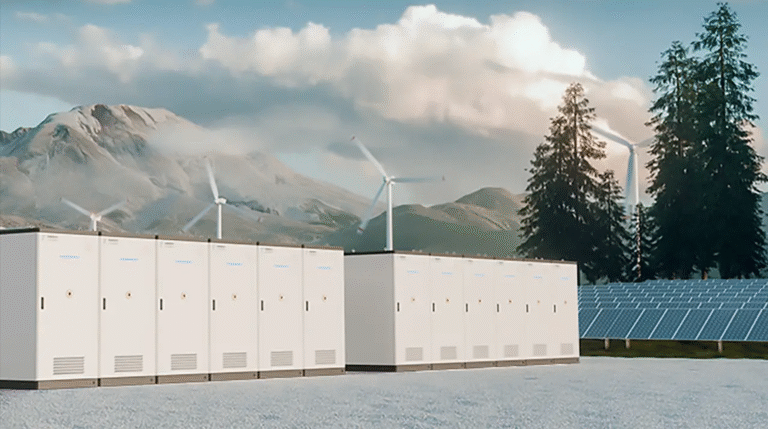
Outdoor installations are common in:
- Solar farms
- Remote telecom stations
- Industrial and utility-scale ESS
Key environmental risks include:
- Temperature extremes
- Rain, dust, and UV exposure
- Wildlife interference
Therefore, outdoor LiFePO₄ battery systems must feature:
- Weatherproof enclosures
- UV-resistant coatings
- Wide operating temperature tolerance
Cost and Design Considerations
While outdoor systems reduce building space requirements, they usually involve:
- Higher enclosure costs
- Additional thermal management systems
A proper cost–benefit analysis should be conducted based on project scale and location.
Conclusion
There is no universal “best” installation environment. The choice between indoor and outdoor deployment should be driven by climate conditions, safety regulations, and long-term maintenance strategies.
SEO Keywords: LiFePO₄ indoor installation, outdoor energy storage battery, lithium battery enclosure design