
Introduction
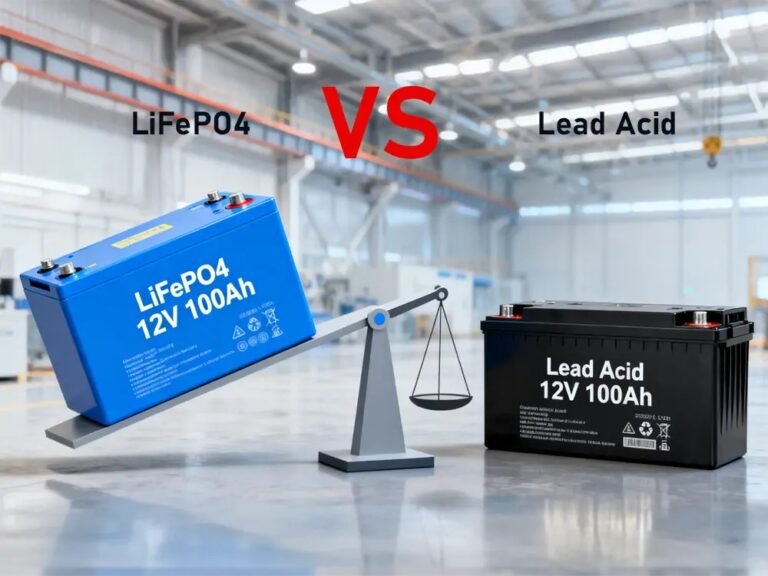
Many energy storage users transition from lead-acid batteries to LiFePO₄ technology. Understanding the different types of problems associated with each helps set realistic expectations and ensures a smooth upgrade.
1. Charging-Related Issues
Lead-Acid Batteries
- Sulfation from partial charging
- Long absorption phase
- Frequent maintenance charging
LiFePO₄ Batteries
- Precise voltage requirements
- Charger compatibility issues
- BMS-controlled charging
Key Difference: LiFePO₄ batteries do not suffer from sulfation but require correct electronic control.
2. Depth of Discharge and Cycle Life Problems
| Aspect | Lead-Acid | LiFePO₄ |
|---|---|---|
| Recommended DoD | ≤50% | 80–90% |
| Cycle Life Impact | Severe | Minimal |
| Recovery Ability | Limited | Strong |
3. Maintenance and Monitoring Issues
Lead-acid batteries require:
- Regular equalization
- Electrolyte checks
LiFePO₄ batteries rely on:
- BMS monitoring
- Firmware and communication compatibility
4. Failure Mode Differences
- Lead-acid: Gradual capacity loss
- LiFePO₄: Sudden BMS cut-off for protection
Conclusion
LiFePO₄ batteries eliminate many traditional lead-acid problems but introduce new system-level considerations. Understanding these differences helps users design safer and more efficient energy storage systems.