
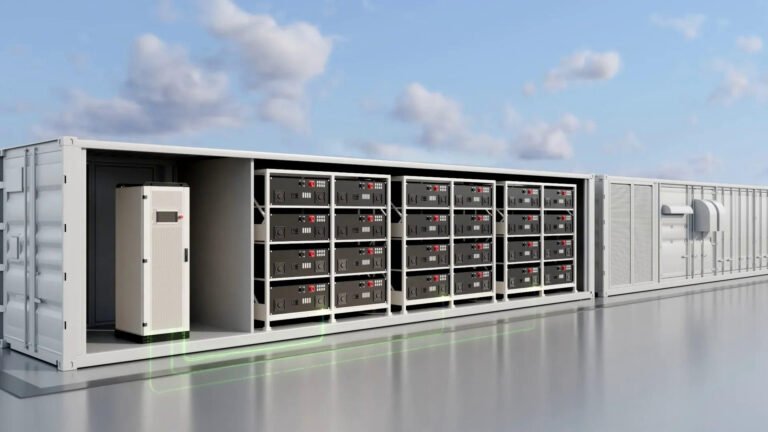
Keywords: LiFePO4 temperature management, LFP thermal control, battery energy storage temperature, BESS maintenance, lithium battery environment optimization.
Introduction
Temperature is one of the strongest factors affecting the performance and durability of LiFePO₄ storage batteries. Proper temperature management ensures higher efficiency, longer cycle life, and safer operation. This article summarizes the most effective strategies to maintain ideal operating temperatures in residential and commercial energy storage systems.
1. Why Temperature Management Matters
Temperature directly affects:
- Battery lifespan
- Charging speed
- Usable capacity
- Safety and stability
- Overall system reliability
A well-managed thermal system can reduce battery degradation by up to 30%.
2. Core Temperature Management Strategies
(1) Intelligent BMS Monitoring
A quality BMS should monitor and control:
- Cell temperature
- Charge/discharge rate
- Low-temp charge blocking
- High-temp protection shutdown
- Temperature balancing
Advanced BMS helps prevent thermal events and improves cycle life.
(2) Environmental Control
For energy storage systems:
- Maintain room temperature between 15°C–30°C
- Use exhaust fans or HVAC in hot areas
- Avoid placing batteries outdoors unless insulated
Indoor temperature control is one of the easiest ways to extend battery life.
(3) Heating Solutions for Low-Temperature Areas
- Built-in self-heating modules
- External heater pads
- Insulated battery cabinets
These solutions enable safe charging below freezing.
(4) Cooling Solutions for High-Temperature Areas
- AC or ventilation
- Air ducts in server-like rack cabinets
- Heat dissipation plates
- Thermal foam insulation for outdoor installations
Well-designed cooling prevents accelerated aging.
3. Temperature Management for Specific Applications
| Application | Temperature Needs | Key Strategies |
|---|---|---|
| Solar home storage | Medium | Indoor installation, avoid sun exposure |
| Commercial BESS | Strict | HVAC control, monitoring, fire system |
| RV / marine | Variable | Insulated boxes, ventilation |
| Telecom tower backup | Often extreme | Self-heating LFP, sealed cabinets |
4. Monitoring and Maintenance Tips
✔ Check system temperature weekly
✔ Ensure fans/heaters operate normally
✔ Clean dust from air vents
✔ Keep BMS firmware updated
✔ Review temperature logs regularly
Data-driven maintenance improves performance and prevents issues.
Conclusion
Temperature management is essential for maximizing the performance, safety, and lifespan of LiFePO₄ storage batteries. With proper thermal control, your energy storage system will operate more efficiently and maintain long-term stability in any climate—from freezing winters to hot desert regions.