
Keywords: LiFePO4 sea shipping, IMDG code lithium battery, ocean freight LiFePO4, shipping container safety, lithium battery dangerous goods.
Introduction
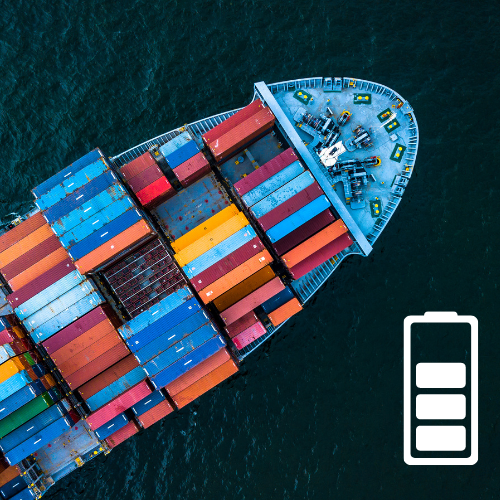
Sea transport is the most cost-effective and commonly used method for shipping LiFePO₄ storage batteries in bulk. The IMDG Code sets the international safety framework for maritime transportation of dangerous goods including lithium batteries.
1. Why Sea Freight Is Preferred
- Lower transportation cost
- Higher load capacity
- Flexible for large-volume orders
- Safer temperature environment compared with air transport
2. IMDG Requirements for Lithium Batteries
IMDG shipping rules include:
- UN3480 classification for lithium-ion batteries
- Proper dangerous goods labeling
- Verified gross mass documentation
- Stowage away from heat sources
- Special segregation from flammable materials
3. Container Loading Recommendations
✔ Use pallets for stable stacking
✔ Avoid placing batteries near container doors
✔ Add desiccants if shipping through humid climates
✔ Ensure sufficient ventilation
✔ Keep batteries upright and protected
4. Inspection Before Loading
Freight forwarders typically check:
- Packaging integrity
- UN certification marking
- MSDS availability
- UN38.3 test summary
- No visible damage
Conclusion
With proper documentation and packaging, sea freight is a safe, reliable, and economical method for transporting LiFePO₄ storage batteries globally.