
Target keywords: LiFePO4 temperature problems, LFP battery cold charging, battery thermal management
Meta Title: LFP Battery Temperature Issues — Cold Charging, Overheat & Thermal Management Tips
Meta Description: Solve temperature-related issues in LiFePO₄ energy storage: safe cold charging, overheating causes, heater options, and long-term thermal management strategies.
Summary
LiFePO₄ batteries are more temperature tolerant than many chemistries, but both extreme cold and heat can cause performance loss, reduced cycle life, or protective shutdowns.
Cold-Related Problems
- Charging lockout below 0°C: Many LFP BMSes prevent charging to avoid lithium plating.
- Reduced capacity and power: At low temps internal resistance increases.
Cold Solutions
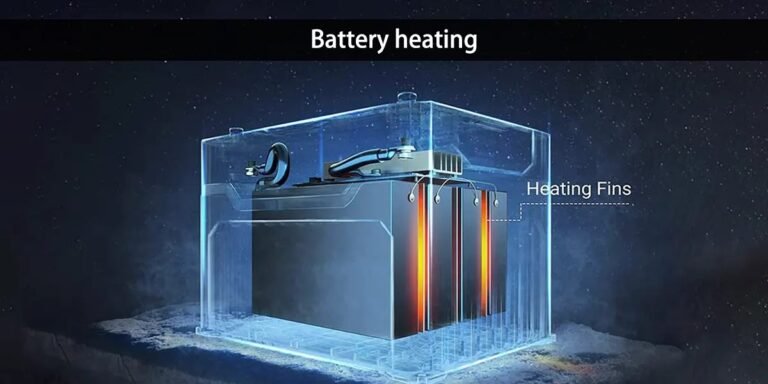
- Pre-heating: Use built-in or external battery heating pads controlled by BMS.
- Insulation: Enclose battery in thermally insulated cabinet to retain heat overnight.
- Operational changes: Shift charging window to daytime (solar) when ambient cold is higher.
Heat-Related Problems
- Permanent accelerated degradation above ~40°C.
- BMS high-temp trips shutting down the pack.
Heat Solutions
- Improve ventilation: Forced air cooling or vented enclosures.
- Active cooling: Air blowers or liquid cooling for high-power C&I systems.
- Locate indoor or shaded installation away from direct sun.
- Monitor temperatures with sensors tied to EMS/BMS and set conservative thermal limits.
Prevention
- Implement HVAC or thermal control in containerized systems.
- Use temperature alarms and automated derating to reduce load when hot.
Quick FAQ
Q: Can I charge LFP at −10°C if I increase charge voltage?
A: No. Charging below manufacturer-specified temperatures risks plating and permanent damage — use heaters or wait for warmer conditions.