
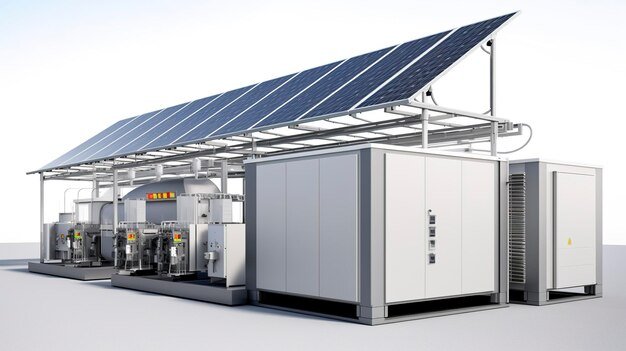
Keywords: LiFePO4 thermal management, battery cooling, battery heating, ESS climate solutions
Thermal management is essential for ensuring stable performance and long cycle life of LiFePO₄ energy storage batteries. Whether in extremely hot or cold environments, proper thermal solutions prevent degradation and ensure reliable operation.
1. Why Thermal Management Is Necessary
- Prevent overheating
- Avoid cold-weather charging damage
- Protect BMS electronics
- Maintain high cycle life
- Ensure consistent daily energy availability
2. Thermal Management in Hot Climates
For regions above 35–45°C (Middle East, Southeast Asia, Australia):
Effective Cooling Methods:
- Natural ventilation
- Forced-air fans
- Heat-resistant cabinet design
- Shaded installation zones
- Air gaps between battery modules
3. Thermal Management in Cold Climates
For regions below 0°C (Northern Europe, Canada, Japan):
Effective Heating Methods:
- Integrated battery heaters
- Insulated cabinets
- Thermostatic heating pads
- Pre-heating before charging
- Intelligent BMS thermal control
4. Containerized ESS Temperature Solutions
Large-scale ESS containers often include:
- HVAC systems
- Temperature sensors
- Forced ventilation
- Thermal insulation panels
These ensure stable temperature for thousands of battery cells.
5. User-Level Tips
- Never charge below 0°C without heating
- Keep packs away from walls exposed to sunlight
- Allow airflow around cabinet-based batteries
- Install temperature alarms in ESS software
6. Conclusion
Thermal management is essential for both safety and lifespan. Proper heating, cooling, and installation practices ensure LiFePO₄ batteries perform reliably in any climate.