
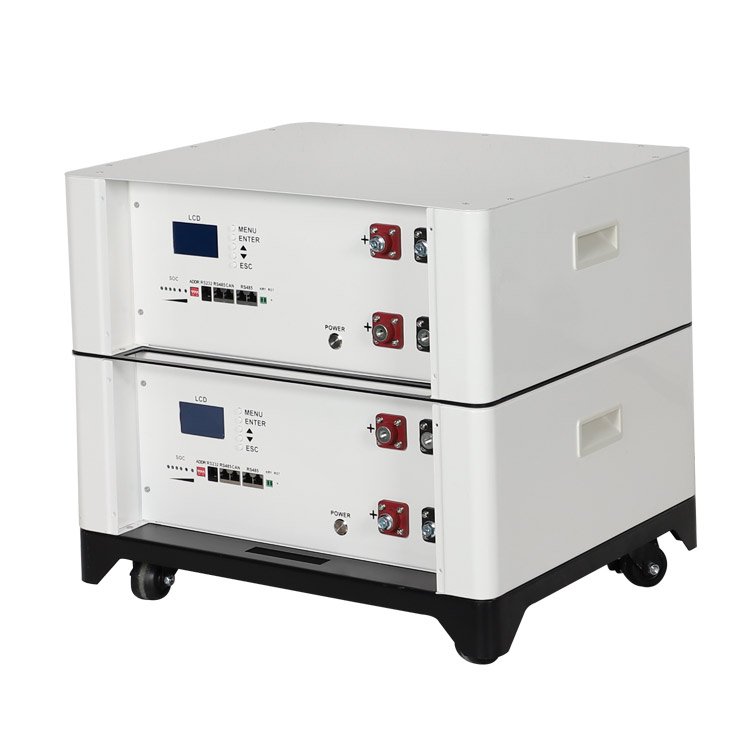
Meta Description
This article explores the internal thermal management structure of floor-standing LiFePO₄ batteries and how heat is controlled for long cycle life.
Introduction
Thermal stability is one of the most critical factors affecting LiFePO₄ battery performance and lifespan. Floor-standing batteries generate more heat due to higher capacity and current, making thermal management essential.
1. Heat Sources Inside Floor-Standing Batteries
Main heat sources include:
- Internal cell resistance
- High-current busbars
- BMS power electronics
Without proper heat control, cell aging accelerates.
2. Passive Thermal Management Design
Most floor-standing LiFePO₄ batteries rely on:
- Natural convection airflow
- Ventilation channels between modules
- Aluminum heat dissipation plates
This design is cost-effective and highly reliable.
3. Active Cooling Options
For higher power models, manufacturers may add:
- DC cooling fans
- Temperature-controlled fan logic via BMS
Fans activate only when internal temperature exceeds preset thresholds.
4. Temperature Uniformity Control
Maintaining uniform temperature across cells helps:
- Reduce capacity imbalance
- Prevent localized aging
- Improve cycle consistency
Internal spacing and airflow paths are carefully engineered.
5. Thermal Safety Features
Additional safety elements include:
- Over-temperature shutdown logic
- Flame-retardant internal materials
- Pressure relief design
Conclusion
The thermal management structure inside floor-standing LiFePO₄ batteries is designed to ensure stable performance, long service life, and high safety, even under continuous operation.
SEO Keywords:
LiFePO₄ battery thermal management, lithium battery cooling design, floor-standing energy storage battery, battery heat dissipation