
SEO Keywords: Grade A LiFePO4 cells, cell matching, LFP battery quality, lithium cell grading
The quality of the LiFePO₄ battery depends heavily on the grade of the cells used. This directly affects lifespan, safety, and reliability.
1. Understanding Cell Grades
| Cell Grade | Description | Uses |
|---|---|---|
| Grade A | Highest consistency, newest production | Energy storage, EV |
| Grade B | Slight inconsistency, lower cycle life | Low-cost applications |
| Recycled | Reused or degraded | Unsafe, unstable |
Always choose Grade A for energy storage.
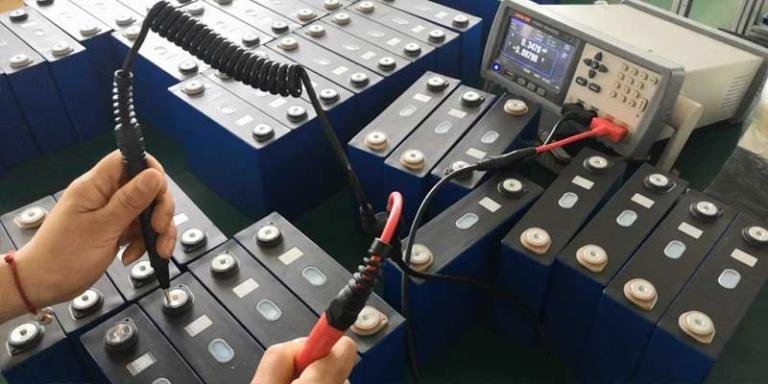
2. Cell Matching Process
High-quality batteries require:
- Voltage matching
- Capacity matching
- Internal resistance matching
Without matching, cells degrade unevenly.
3. Impact on Cycle Life
Grade A cells provide:
- 4000–7000 cycles
- Higher capacity retention
- Stable temperature performance
Lower-grade cells lose capacity rapidly after 300–500 cycles.
4. Importance of Traceability
A reliable supplier provides:
- Cell serial numbers
- Factory test reports
- Production batch information
Traceability ensures quality and accountability.
Conclusion
Cell grade defines long-term performance—always choose batteries using matched Grade A LiFePO₄ cells.