
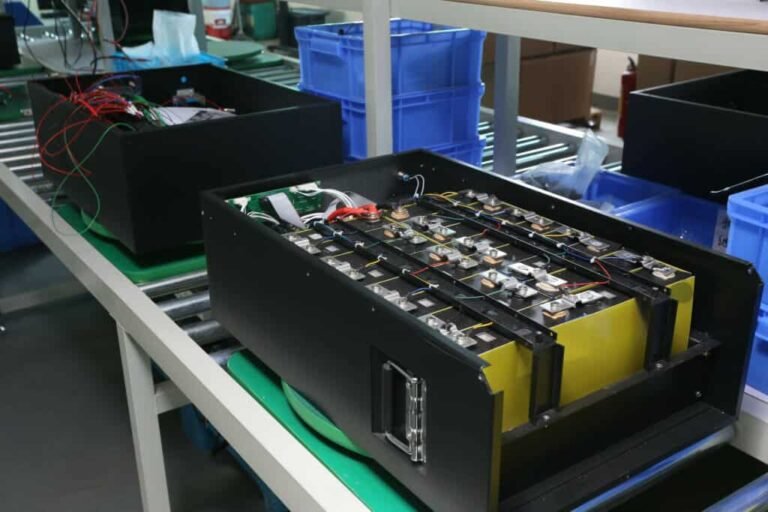
Introduction
In modern energy storage systems, LiFePO₄ (Lithium Iron Phosphate) batteries are widely recognized for their long cycle life, high safety level, and stable performance. However, many system failures in real-world projects are not caused by battery cells themselves, but by improper enclosure design.
The battery enclosure is not merely an outer shell—it is a critical structural and functional component that directly influences system safety, durability, environmental adaptability, and regulatory compliance.
Core Functions of a LiFePO₄ Battery Enclosure
1. Mechanical Protection
During transportation, installation, and operation, batteries are exposed to:
- Vibration from inverters or generators
- Accidental impact
- Long-term structural stress
A reinforced enclosure prevents internal cell damage, loose connections, and BMS failure.
2. Environmental Isolation
Energy storage systems are often installed in:
- Basements and garages
- Factories and warehouses
- Outdoor solar power plants
The enclosure must protect internal components from:
- Dust accumulation
- Moisture and condensation
- Corrosive gases or salt spray
3. Thermal Stability
Battery cells are sensitive to temperature fluctuations. The enclosure helps:
- Dissipate internal heat during charge/discharge
- Prevent overheating in summer
- Reduce heat loss in cold climates
4. Electrical Safety
A properly designed housing isolates high-voltage components, reducing the risk of:
- Electric shock
- Short circuits
- Accidental contact during maintenance
Application-Based Design Differences
- Residential ESS: compact size, clean appearance, silent operation
- Commercial ESS: higher protection level, modular installation
- Industrial & utility ESS: heavy-duty steel cabinets, fire-resistant design
SEO Keywords
LiFePO₄ battery enclosure design, lithium energy storage housing, ESS battery case, lithium battery safety enclosure
Conclusion
A professional LiFePO₄ battery enclosure is essential for ensuring system safety, operational stability, and long service life. It should always be considered a core part of energy storage system engineering.