
Introduction
As lithium battery technology becomes more affordable and widely available, many users are asking:
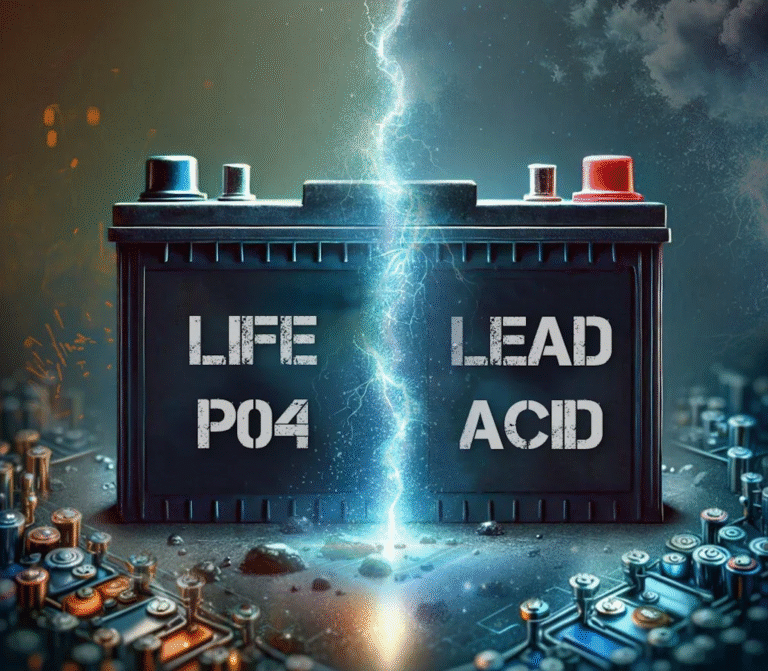
Can I replace my lead-acid battery with a LiFePO4 battery?
The short answer is:
Yes — in most cases, LiFePO4 batteries can directly replace lead-acid batteries.
This upgrade is becoming increasingly common in:
- solar energy storage systems
- UPS systems
- telecom backup
- RV power systems
- marine applications
- off-grid installations
Compared with traditional lead-acid batteries, LiFePO4 batteries offer major advantages in:
- lifespan
- charging speed
- efficiency
- maintenance
- usable capacity
However, several important factors must be considered before upgrading.
This guide explains everything you need to know about replacing lead-acid batteries with LiFePO4 batteries in 2026.
Why Users Are Switching from Lead-Acid to Lithium Batteries?
Traditional lead-acid batteries have been widely used for decades.
However, modern energy storage systems increasingly demand:
- longer lifespan
- faster charging
- deeper discharge
- lower maintenance
- higher efficiency
LiFePO4 batteries solve many limitations of lead-acid technology.
Main Problems with Lead-Acid Batteries
Common issues include:
- short lifespan
- sulfation
- heavy weight
- slow charging
- low usable capacity
- poor high-temperature performance
These limitations increase long-term operating costs.
Advantages of Replacing Lead-Acid with LiFePO4
1. Much Longer Lifespan
Typical lifespan comparison:
| Battery Type | Service Life |
|---|---|
| AGM Battery | 3–5 years |
| GEL Battery | 4–6 years |
| LiFePO4 Battery | 10–15 years |
Cycle life comparison:
| Battery Type | Typical Cycles |
|---|---|
| Lead-Acid | 500–1500 |
| LiFePO4 | 4000–7000 |
Lithium batteries often last several times longer.
2. More Usable Capacity
Lead-acid batteries usually recommend only:
50%50\%50%
depth of discharge.
LiFePO4 batteries commonly support:
80%−100%80\%-100\%80%−100%
usable discharge.
This means more available energy from the same battery capacity.
Example
A 12V 100Ah battery provides:
| Battery Type | Usable Capacity |
|---|---|
| Lead-Acid | ~50Ah |
| LiFePO4 | ~90Ah |
3. Faster Charging Speed
LiFePO4 batteries charge much faster.
This is especially beneficial for:
- solar systems
- backup systems
- RV applications
- telecom stations
Fast charging improves energy efficiency and reduces downtime.
4. Lighter Weight
Lithium batteries are significantly lighter than lead-acid batteries.
Weight reduction advantages include:
- easier transportation
- simpler installation
- reduced structural load
This is especially important for:
- RV systems
- boats
- rooftop telecom sites
5. Lower Maintenance
Lead-acid batteries often require:
- voltage monitoring
- equalization charging
- ventilation management
LiFePO4 batteries require almost no routine maintenance.
6. Better High-Temperature Performance
High temperatures shorten lead-acid battery lifespan dramatically.
LiFePO4 batteries perform much better in hot environments such as:
- Africa
- Middle East
- Southeast Asia