
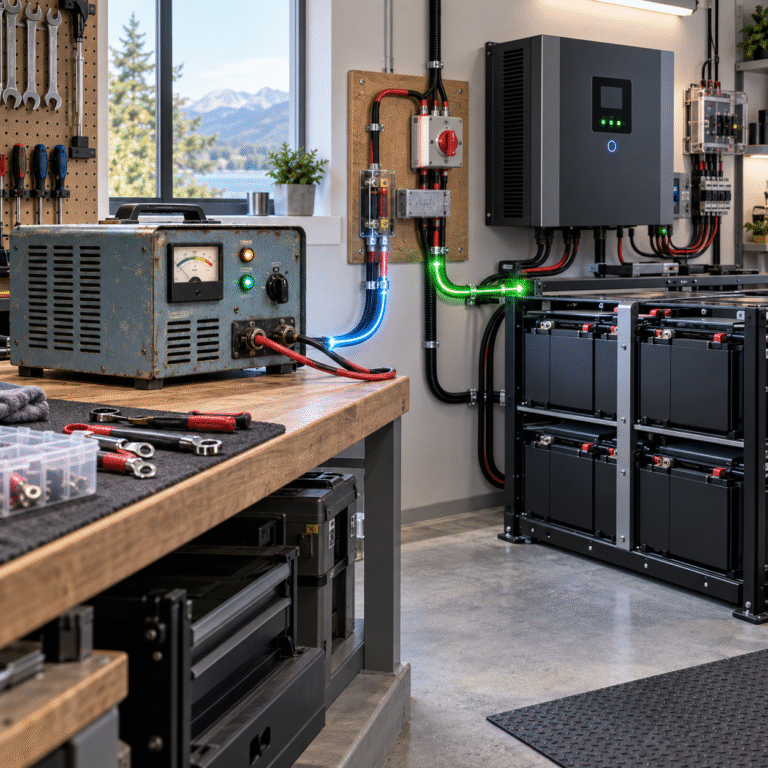
Can I Keep My Lead-Acid Charger After Upgrading to LiFePO4?
Introduction Replacing lead-acid batteries with LiFePO4 is becoming increasingly common in: The battery replacement itself may appear simple. Remove the old AGM or GEL battery,

Introduction Replacing lead-acid batteries with LiFePO4 is becoming increasingly common in: The battery replacement itself may appear simple. Remove the old AGM or GEL battery,

Introduction A LiFePO4 energy storage battery may leave the factory in good condition but remain in a distributor’s warehouse for: During that period, the battery

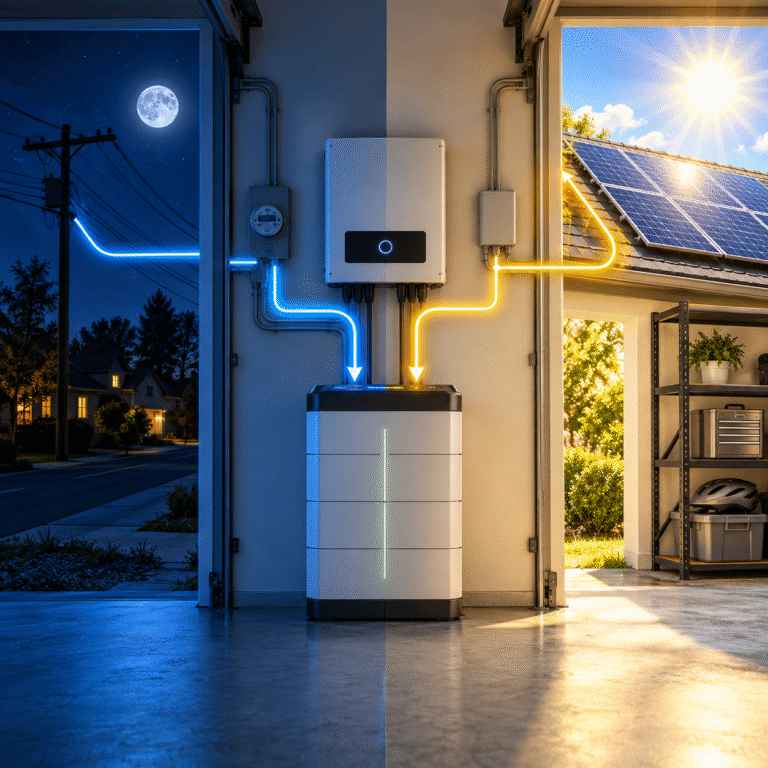
Introduction Imagine a home or commercial building with: Electricity is inexpensive at 2:00 a.m. Solar energy will become available several hours later. Should the battery

Introduction Most discussions about LiFePO4 charging temperature focus on cold weather. But for energy storage projects in the Middle East, Africa, Southeast Asia and other

Introduction Selecting a LiFePO4 battery capacity is only half of an energy storage design. The next question is: How will you recharge it? A customer

Introduction LiFePO4 batteries perform well across a wide range of energy storage applications, but charging temperature is often overlooked during system design. A battery may

Introduction A LiFePO4 battery may charge perfectly from solar power but behave very differently when charging from the utility grid. A common customer complaint is:

Introduction Solar energy storage works well when sunlight is available. But what happens after several cloudy days? For many off-grid systems, the answer is a

Introduction Many energy storage users assume that a battery should reach 100% every time it is charged. The logic appears simple: If I paid for

Introduction A LiFePO4 battery can be charged from several different energy sources. In a typical energy storage system, charging may come from: For residential users,