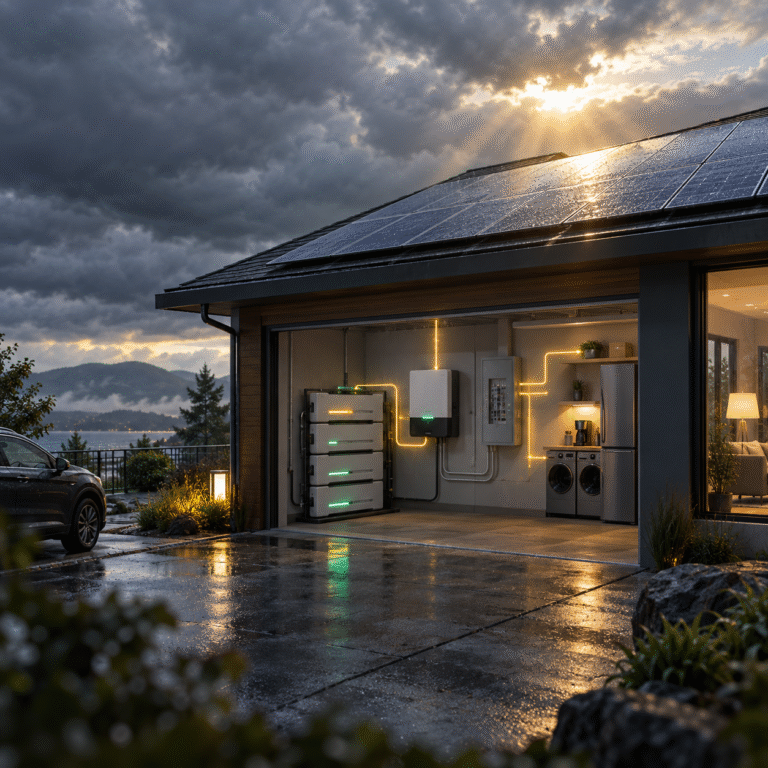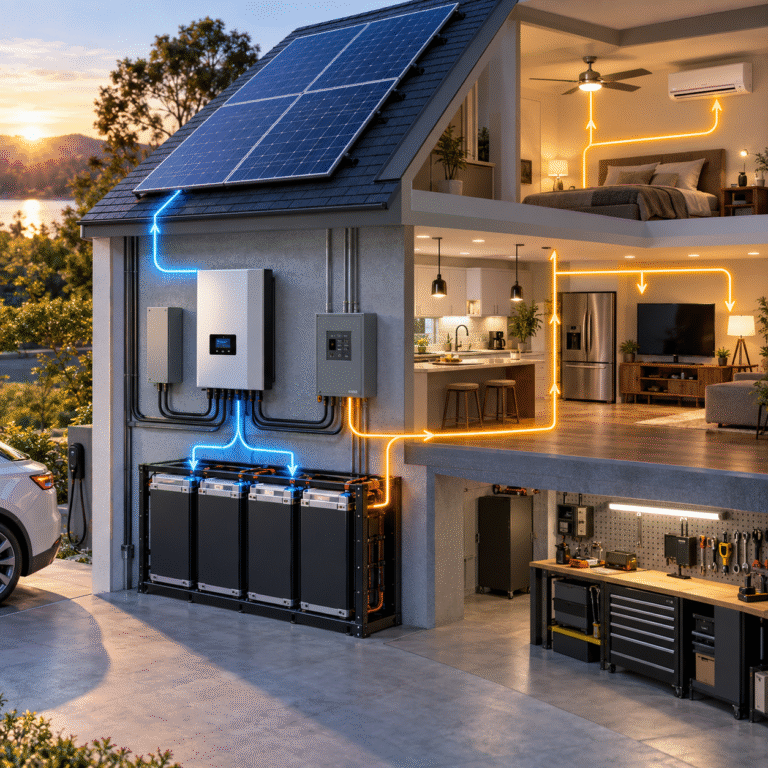
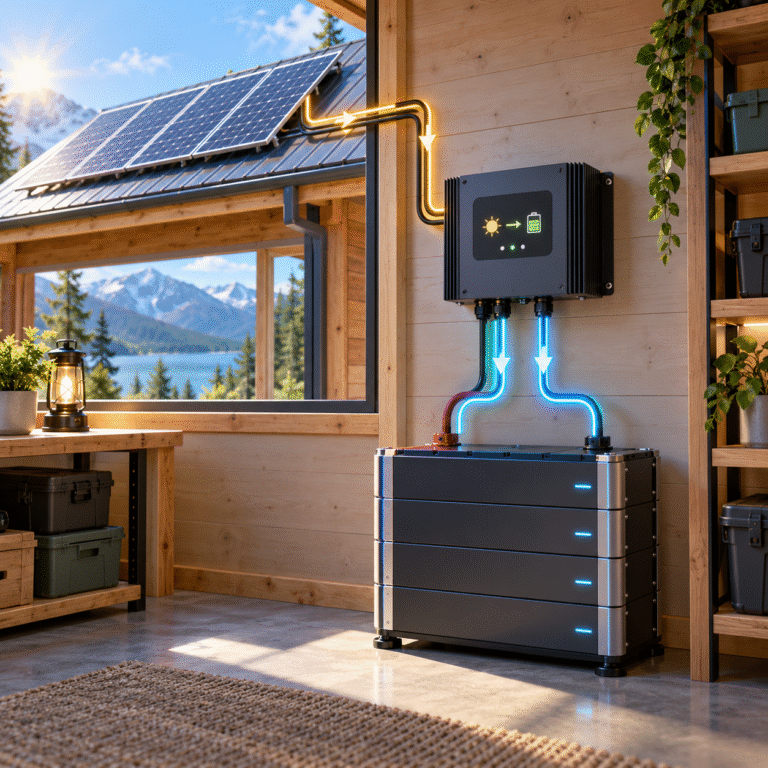
Can an MPPT Charge Controller Charge a LiFePO4 Battery Directly Without an Inverter?
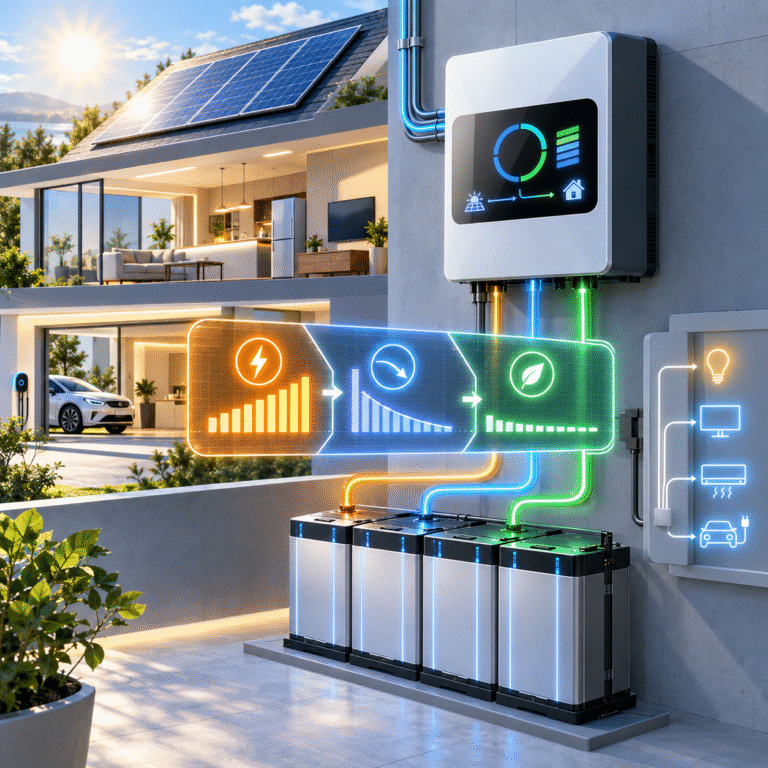
Introduction Many solar energy storage systems use a hybrid inverter that combines: But an inverter is not always necessary for charging the battery. A common
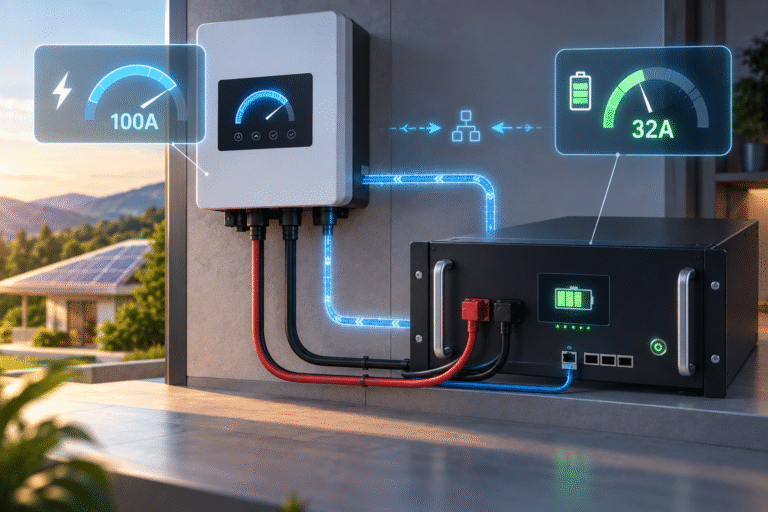
Introduction Many solar energy storage systems use a hybrid inverter that combines: But an inverter is not always necessary for charging the battery. A common

Introduction The inverter is configured for: 100A maximum charging current. The solar system has enough power. The battery is only at 70% SOC. But actual

Introduction A customer asks: “What charging current should I use for my LiFePO4 battery?” The battery datasheet says: The inverter offers settings from: 10A to

Introduction A customer switches on the inverter. The LiFePO4 battery powers the load normally. Lights work. The inverter works. Battery voltage looks normal. But when

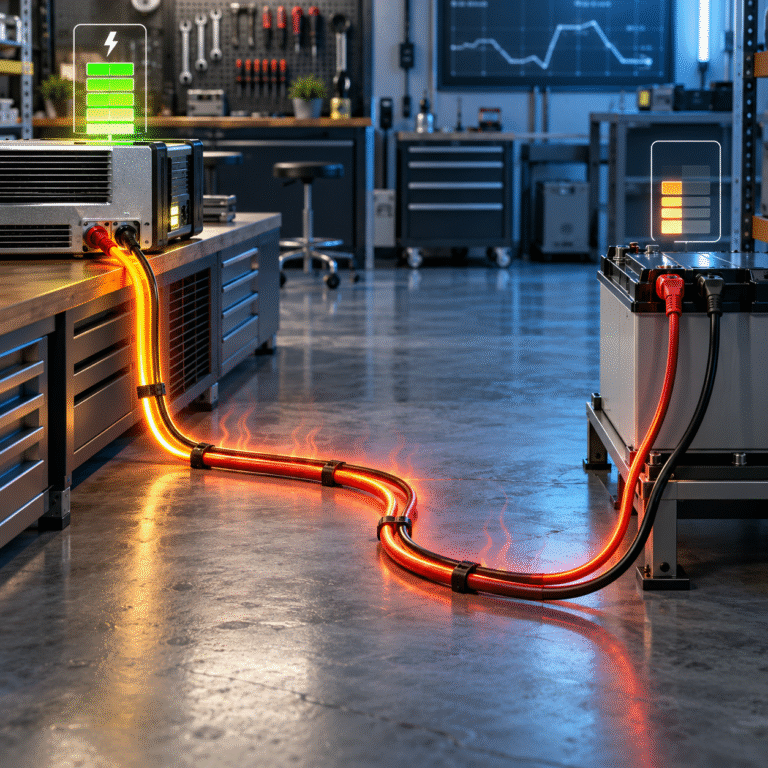
Introduction The inverter shows: 56.8V The charger is operating normally. But a multimeter directly across the battery terminals shows: 55.9V Which reading is correct? Possibly

Introduction A customer installs a new LiFePO4 battery. Then they open the solar inverter’s battery menu and see: These terms came largely from traditional lead-acid

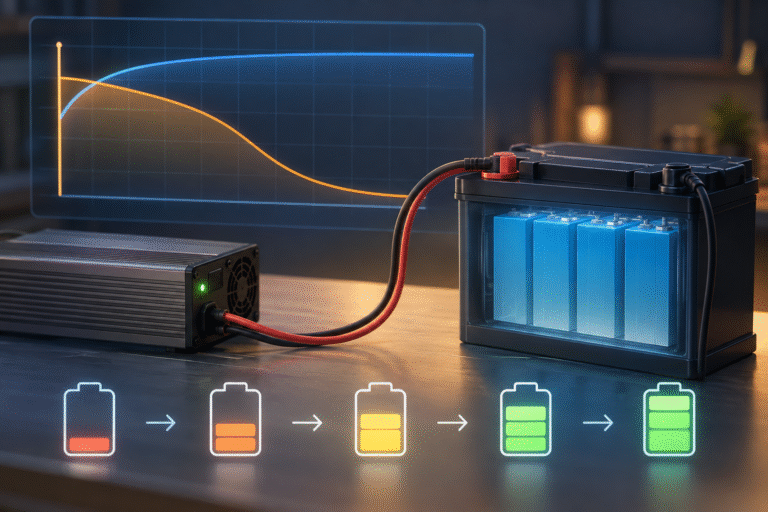
Introduction A LiFePO4 battery charges at 80A. Later it drops to 50A. Then 20A. Near 100% SOC, the charging current may fall to only a

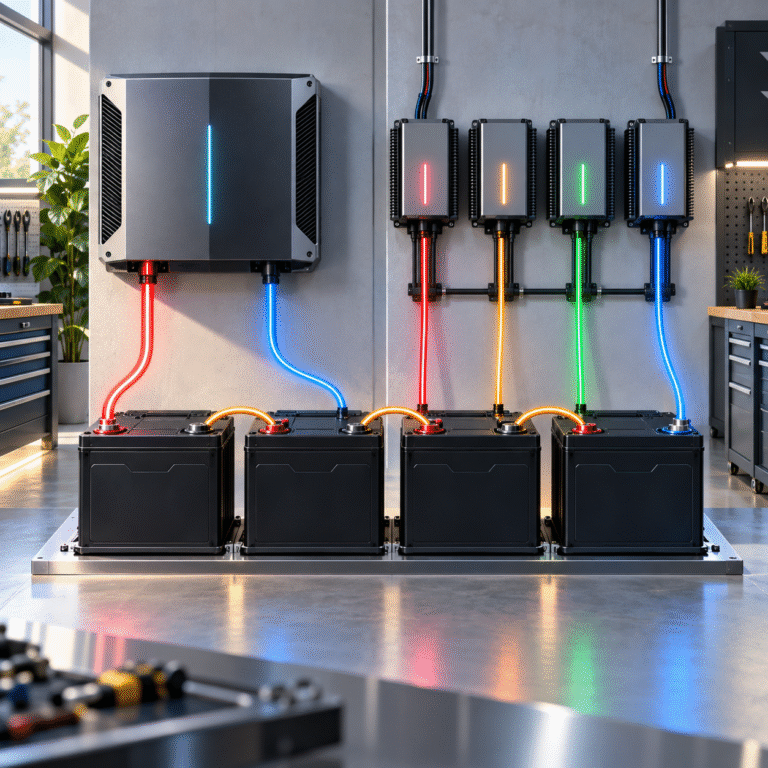
Introduction Many solar, RV, marine and backup-power users build higher-voltage battery banks by connecting several 12.8V LiFePO4 batteries in series. For example: 4 × 12.8V

Introduction A solar battery works perfectly during several sunny days. Then the weather changes. Day one is cloudy. Day two is worse. By the third

Introduction A common question from solar energy storage users is: “Can my LiFePO4 battery charge while it is powering the house?” The short answer is: