
Introduction
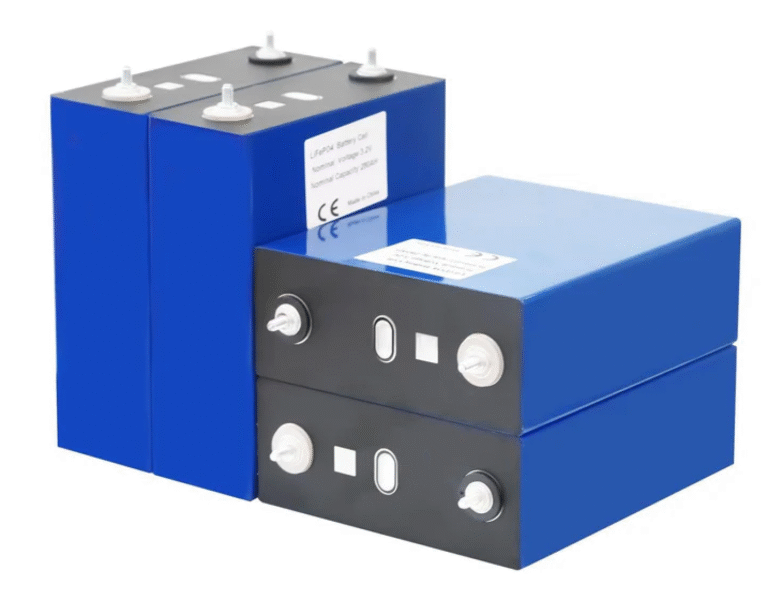
When sourcing LiFePO4 batteries from China, one of the most frequently discussed topics is cell grade.
Many suppliers advertise “Grade A Cells”, while others claim to offer “Grade A+”, “Automotive Grade”, or simply “Premium Cells.”
For procurement teams, these descriptions can be confusing because there is no single globally regulated grading standard.
Instead of relying only on marketing terms, professional buyers should understand how cell quality affects battery consistency, reliability, and long-term project performance.
This guide explains the practical differences between Grade A and Grade B cells and what buyers should verify before placing an order.
What Does “Grade A” Mean?
In general, Grade A cells are manufactured to meet the original manufacturer’s performance and quality requirements.
Typical characteristics include:
- Stable capacity consistency
- Low internal resistance variation
- Good voltage consistency
- Complete production traceability
- Cosmetic appearance meeting factory standards
High-quality Grade A cells are commonly selected for:
- Residential ESS
- Commercial ESS
- Telecom batteries
- UPS systems
- Utility energy storage
What Does “Grade B” Mean?
The term “Grade B” may refer to cells that do not fully meet the manufacturer’s original grading criteria.
Reasons may include:
- Cosmetic defects
- Capacity deviation
- Internal resistance variation
- Voltage inconsistency
- Production surplus or reclassification
The exact definition varies between manufacturers, so buyers should avoid assuming all Grade B cells are identical.
Why Cell Consistency Matters More Than Marketing Terms
For large battery systems, consistency is often more important than a single performance specification.
Good consistency contributes to:
- Better cell balancing
- More stable charging
- Improved cycle life
- Lower thermal stress
- Predictable system performance
Poor consistency can increase the workload on the Battery Management System (BMS).
Key Questions to Ask Your Supplier
Instead of asking only:
“Are these Grade A cells?”
Consider asking:
- Can you provide cell traceability?
- What is the capacity tolerance?
- How are cells matched before assembly?
- What incoming inspection procedures are used?
- Can production records be reviewed?
These questions provide more meaningful information than marketing terminology alone.
Cell Matching Before Assembly
Professional manufacturers normally perform cell matching before assembling battery packs.
Typical matching criteria include:
- Capacity
- Voltage
- Internal resistance
The objective is to reduce variation between cells within the same battery pack.
Proper matching supports better long-term performance.
Why Traceability Is Important
Traceability allows manufacturers to identify:
- Cell production batches
- Test records
- Assembly information
- Quality inspection history
This information simplifies quality investigations and warranty support if issues arise later.
Should Buyers Request Cell Brand Information?
In many projects, understanding the origin of the cells can be useful.
However, buyers should also evaluate:
- Supplier quality management
- Assembly process
- BMS quality
- Final testing procedures
A high-quality battery system depends on more than the cell brand alone.
Common Misunderstandings
“Grade A+” Is an International Standard
There is no universally recognized international definition for “Grade A+”.
Buyers should request objective quality information rather than relying on descriptive terms.
Cell Brand Alone Determines Battery Quality
Battery performance depends on the complete system, including:
- Cell matching
- BMS
- Assembly quality
- Testing
- Quality management
All Grade B Cells Are Unsuitable
The definition of Grade B differs between manufacturers.
Rather than focusing only on labels, buyers should evaluate documented quality processes and technical data.
Procurement Checklist
Before approving a supplier, consider requesting information on:
| Evaluation Item | Example Questions |
|---|---|
| Cell Source | Which manufacturers supply the cells? |
| Incoming Inspection | How are cells inspected? |
| Matching Process | Which parameters are matched? |
| Traceability | Can production batches be traced? |
| Testing | Is every battery tested before shipment? |
| Documentation | Are test reports available? |
Real Procurement Scenario
A distributor compared two battery suppliers.
Supplier A offered a lower quotation but provided limited information about cell inspection and traceability.
Supplier B supplied detailed documentation describing incoming inspection, cell matching procedures, and final testing.
Although Supplier B’s quotation was higher, the buyer selected the proposal because it reduced long-term project risk and improved confidence in product consistency.
HIZN Engineering Perspective
From our engineering experience, long-term battery reliability depends on the entire manufacturing process rather than a single marketing term.
Cell selection, matching, BMS integration, assembly quality, and final testing all contribute to the overall performance of the finished battery system.
Professional buyers should therefore evaluate manufacturers based on documented quality management rather than product descriptions alone.
Frequently Asked Questions
Is Grade A always required?
The appropriate cell selection depends on the application, project requirements, and quality expectations.
Should buyers request test reports?
Yes. Objective test data provides more useful information than marketing descriptions.
Can cell inconsistency affect battery life?
Cell consistency influences balancing efficiency and may affect long-term system performance.
Is the battery only as good as the cells?
Cells are important, but battery quality also depends on engineering design, BMS, manufacturing processes, and quality control.
Conclusion
Understanding cell grading helps buyers ask better questions during supplier evaluation.
Rather than focusing only on terms such as “Grade A” or “Grade B”, procurement teams should evaluate traceability, inspection procedures, matching processes, testing capability, and overall manufacturing quality.
A structured supplier assessment supports better procurement decisions and reduces long-term project risk for LiFePO4 battery applications.