
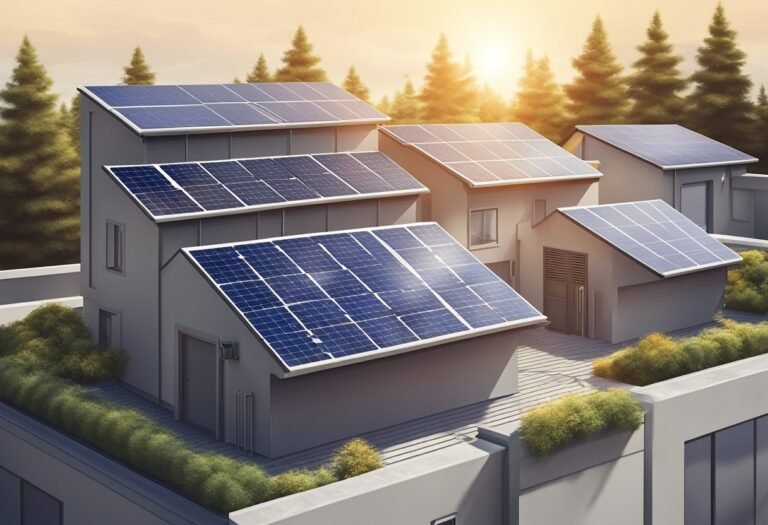
1. Why Proper Battery Sizing Matters
Choosing the wrong number of batteries can cause:
- insufficient backup time
- wasted solar energy
- unnecessary project costs
- reduced battery lifespan
Many buyers either:
- undersize the battery bank
or - overspend on unnecessary capacity
👉 Correct sizing is critical for both performance and ROI.
2. Step 1: Calculate Daily Energy Consumption
Start with your total daily electricity usage.
Example:
| Appliance | Power | Usage Time | Daily Consumption |
|---|---|---|---|
| Lights | 200W | 5h | 1 kWh |
| Refrigerator | 300W | 10h | 3 kWh |
| Air Conditioner | 1500W | 4h | 6 kWh |
👉 Total daily consumption = 10 kWh
3. Step 2: Determine Backup Time
Ask:
👉 How long should the batteries power the system during outages?
Examples:
- Residential backup → 4–8 hours
- Off-grid systems → 1–3 days
- Telecom systems → 6–12 hours
4. Step 3: Calculate Required Battery Capacity
Formula:
Example
Daily consumption:
10 kWh
Battery DoD:
80%
Calculation:
👉 Required battery capacity = 12.5 kWh
5. Step 4: Convert Capacity into Number of Batteries
Example battery:
- 51.2V 100Ah
Energy per battery:
👉 ≈ 5.12 kWh per battery
How Many Batteries Needed?
Required capacity:
12.5 kWh
Calculation:
👉 Recommended:
3 batteries
6. Factors That Affect Battery Quantity
6.1 Weather Conditions
Cloudy or rainy areas require:
- larger battery reserve
6.2 Future Expansion
Users may later add:
- EV chargers
- air conditioning
- more appliances
Always leave:
- 20–30% expansion margin
6.3 System Efficiency
Inverter losses and cable losses reduce actual usable energy.
7. Recommended Battery Quantities by Application
| Application | Recommended Battery Size |
|---|---|
| Small home | 5–10 kWh |
| Medium home | 10–20 kWh |
| Large home | 20–40 kWh |
| Off-grid house | 20–60 kWh |
| Commercial ESS | 50 kWh+ |
8. Common Sizing Mistakes
Mistake 1: Ignoring DoD
Lead-acid batteries usually allow only 50% DoD.
Lithium batteries allow:
- 80–90% usable energy
Mistake 2: Ignoring Surge Loads
Air conditioners and pumps may require high startup power.
Mistake 3: No Expansion Margin
Systems often become too small after several years.
9. Final Recommendation
The ideal battery quantity depends on:
- daily consumption
- backup requirements
- solar generation
- expansion plans
👉 LiFePO4 batteries are usually the best choice because they provide:
- higher usable capacity
- longer lifespan
- lower long-term cost
📩 FREE Solar Battery Sizing Service
We provide:
- Battery sizing calculation
- Solar + inverter matching
- Residential & commercial ESS design
- OEM / ODM battery solutions
👉 Send us:
- Daily electricity usage
- Solar panel size
- Backup requirements
💡 We will provide a customized battery solution within 24 hours.