
Introduction
Selecting battery capacity is not only a technical decision but also a financial strategy. Optimal LiFePO₄ sizing maximizes return on investment (ROI) by balancing upfront cost, lifespan, and operational efficiency.
SEO Keywords: ESS ROI battery sizing, lifecycle cost LiFePO4, optimal battery capacity economics
1. Oversizing vs Undersizing Economic Impact
Oversized battery:
- Higher initial investment
- Lower cycling depth → longer lifespan
Undersized battery:
- Lower upfront cost
- Higher daily cycling stress → faster degradation
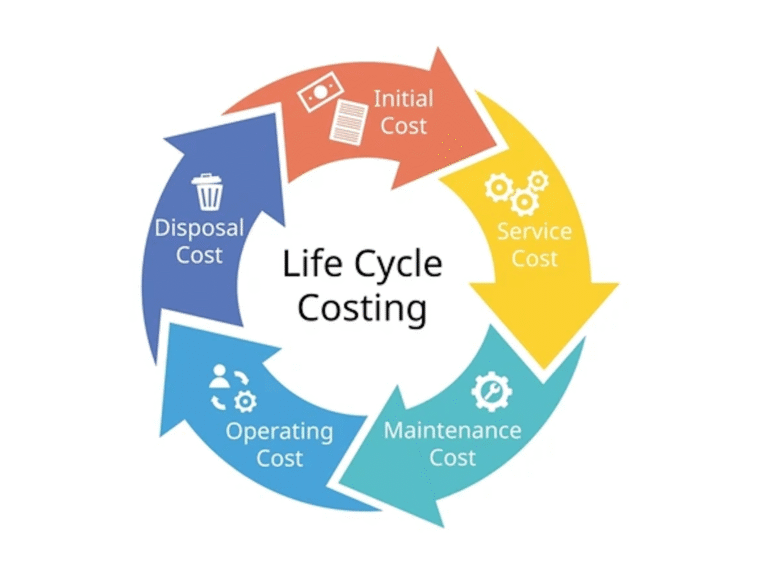
Thus, lifecycle cost analysis is essential.
2. Levelized Cost of Storage (LCOS)
LCOS = Total Lifetime Cost ÷ Total Energy Delivered
A slightly larger battery with lower DoD often reduces LCOS due to extended cycle life.
3. Optimal Capacity Selection Strategy
Step 1: Calculate annual energy throughput
Step 2: Estimate battery cycles per year
Step 3: Compare LCOS for different capacity scenarios
This financial modeling helps identify the most cost-effective capacity size.
4. Example ROI Comparison
Scenario A: 20kWh battery (80% DoD)
Scenario B: 30kWh battery (60% DoD)
Although Scenario B costs more initially, its longer lifespan and reduced stress may produce a lower LCOS and higher long-term ROI.
Conclusion
LiFePO₄ battery capacity should be optimized based on lifecycle economics, not just initial demand. Correct sizing reduces replacement frequency and maximizes long-term financial returns.