
Introduction
As residential energy storage systems become increasingly popular, homeowners and installers face an important question:
Which battery design should I choose?
Today, the three most common ESS battery designs are:
- Rack-Mounted Batteries
- Wall-Mounted Batteries
- Stackable Batteries
All three use the same LiFePO4 technology, but they differ significantly in:
- installation method
- appearance
- scalability
- maintenance
- project suitability
This guide compares the advantages and disadvantages of each design to help buyers choose the best solution.
Understanding Modern Residential ESS Batteries
A residential ESS battery typically consists of:
- LiFePO4 cells
- Intelligent BMS
- Communication system
- Protective enclosure
The main difference lies in the mechanical design.
What Is a Rack-Mounted Battery?
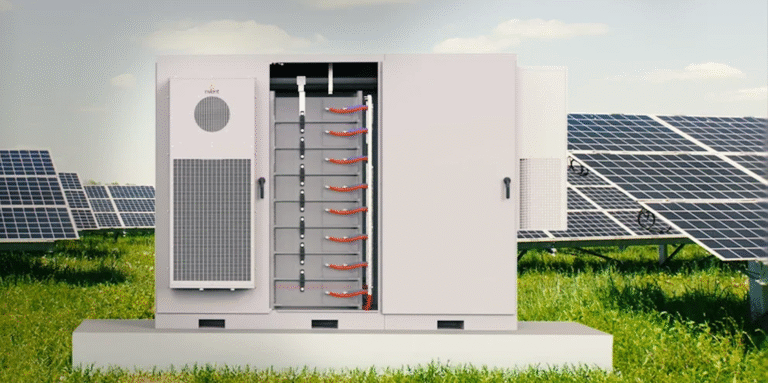
Rack batteries are designed to fit inside:
- standard server racks
- telecom cabinets
- ESS cabinets
The most common model globally is:
51.2V 100Ah Rack Battery
Energy:
51.2×100=5120Wh51.2\times100=5120Wh51.2×100=5120Wh
Equivalent:
- 5.12kWh
Advantages of Rack Batteries
Easy Expansion
Users can simply add more modules.
Example:
| Quantity | Total Capacity |
|---|---|
| 1 Unit | 5.12kWh |
| 2 Units | 10.24kWh |
| 4 Units | 20.48kWh |
| 8 Units | 40.96kWh |
Professional Installation
Rack systems provide:
- clean wiring
- organized cable management
- easier servicing
Better for Commercial Projects
Common applications:
- telecom backup
- data centers
- commercial ESS
- industrial storage
Easier Maintenance
Individual modules can be serviced independently.
Disadvantages of Rack Batteries
- Require floor space
- Less attractive appearance
- Usually require a cabinet
What Is a Wall-Mounted Battery?
Wall batteries are installed directly on a wall.
Most popular capacities:
- 5.12kWh
- 10.24kWh
Advantages of Wall Batteries
Space Saving
No floor space required.
Ideal for:
- garages
- utility rooms
- small homes
Attractive Appearance
Wall batteries often feature:
- modern design
- clean aesthetics
- integrated displays
Easier Residential Installation
Many installers prefer wall-mounted systems for residential projects.
Disadvantages of Wall Batteries
- Limited expansion
- Wall strength requirements
- More difficult replacement
What Is a Stackable Battery?
Stackable systems consist of multiple battery modules stacked vertically.
Common capacities:
- 10kWh
- 15kWh
- 20kWh
- 30kWh
Advantages of Stackable Batteries
Modular Design
Users can add capacity gradually.
Modern Appearance
Many homeowners prefer stackable systems because they resemble premium appliances.
Simplified Expansion
Additional modules can be added without major rewiring.
Compact Footprint
Consumes less floor space than rack cabinets.
Disadvantages of Stackable Batteries
- Higher initial cost
- Heavier modules
- May require specialized mounting systems
Capacity Comparison
| Battery Type | Typical Capacity |
|---|---|
| Rack Battery | 5.12kWh/module |
| Wall Battery | 5–10kWh/unit |
| Stackable Battery | 10–30kWh/system |
Which Design Is Best for Homeowners?
The answer depends on priorities.
Choose Rack Batteries If You Need:
- maximum expansion
- lowest cost per kWh
- commercial-grade design
- easier maintenance
Choose Wall Batteries If You Need:
- attractive appearance
- limited space
- simple residential installation
Choose Stackable Batteries If You Need:
- future expansion
- premium appearance
- integrated home ESS design
Typical Applications
Residential Villas
Popular:
- Wall Batteries
- Stackable Batteries
Apartments
Popular:
- Wall Batteries
Telecom Projects
Popular:
- Rack Batteries
Commercial Storage
Popular:
- Rack Batteries
- High-Capacity Stackable Systems
Compatibility with Hybrid Inverters
Most modern systems support:
- CAN
- RS485
Compatible brands include:
- Deye
- Growatt
- Solis
- GoodWe
- Victron
- Luxpower
Future Market Trends
Industry trends indicate:
- larger residential battery capacities
- more stackable designs
- AI-based energy management
- integrated ESS ecosystems
Frequently Asked Questions
Which battery design is cheapest?
Rack batteries generally offer the lowest cost per kWh.
Which battery looks best?
Most homeowners prefer wall-mounted or stackable systems.
Which battery is easiest to expand?
Rack and stackable systems.
Which battery is best for telecom projects?
Rack batteries remain the preferred solution.
Conclusion
There is no single “best” ESS battery design.
The optimal solution depends on:
- project type
- available space
- expansion plans
- aesthetic preferences
For most residential projects:
- Wall and Stackable Batteries dominate.
For commercial and telecom projects:
- Rack Batteries remain the industry standard.