
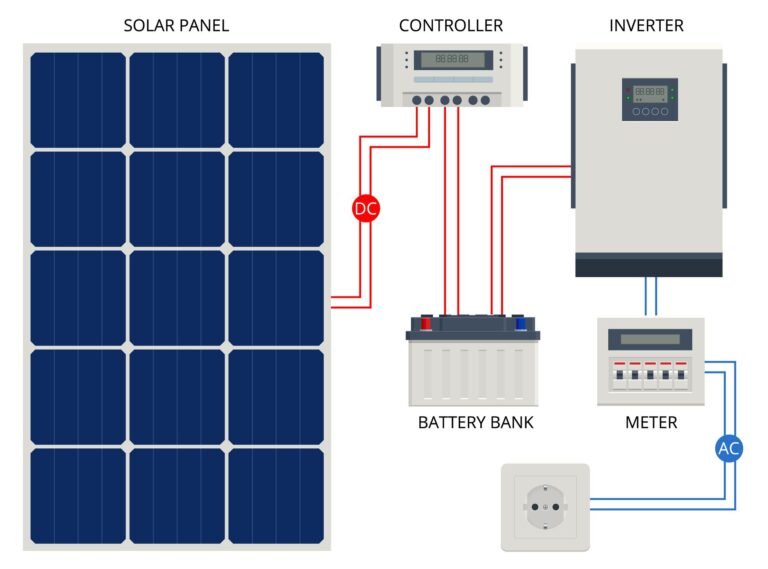
Introduction
Home solar battery backup systems are becoming increasingly popular worldwide.
Rising electricity prices, unstable grids, and growing interest in energy independence have accelerated demand for residential energy storage systems (ESS).
A solar battery backup system allows homeowners to:
- store solar energy
- reduce electricity bills
- maintain backup power during outages
- increase self-consumption
- improve energy independence
This guide explains everything beginners need to know about home solar battery backup systems in 2026.
What Is a Solar Battery Backup System?
A solar battery backup system stores electricity generated by solar panels for later use.
Instead of sending all excess solar energy to the grid, the battery stores unused power.
The stored energy can later power the home during:
- nighttime
- cloudy weather
- power outages
- peak electricity pricing periods
Main Components of a Home ESS System
A typical residential ESS system includes:
| Component | Function |
|---|---|
| Solar Panels | Generate electricity |
| Hybrid Inverter | Controls power conversion |
| Lithium Battery | Stores energy |
| BMS System | Protects battery |
| Monitoring System | Tracks performance |
How Solar Battery Backup Works
During daytime:
- solar panels power the home
- excess energy charges the battery
At night:
- the battery powers the home
During outages:
- the ESS system supplies backup electricity
Basic Energy Flow Formula
Solar energy generated:
Solar Production=Consumption+Battery Charging+Grid ExportSolar\ Production=Consumption+Battery\ Charging+Grid\ ExportSolar Production=Consumption+Battery Charging+Grid Export
Why Homeowners Are Installing Solar Batteries
1. Backup Power During Outages
One of the biggest advantages is uninterrupted electricity during blackouts.
Important backup loads may include:
- lights
- refrigerators
- internet
- security systems
- medical equipment
2. Lower Electricity Bills
Battery systems allow homeowners to use stored solar energy instead of buying electricity from the grid.
This increases solar self-consumption.
3. Energy Independence
Many homeowners want greater protection from:
- grid instability
- rising electricity prices
- power interruptions
4. Better Solar Utilization
Without batteries, excess daytime solar energy may be wasted or exported at low rates.
Battery storage increases energy utilization efficiency.
Why LiFePO4 Batteries Are Best for Home ESS
LiFePO4 batteries dominate residential ESS markets because they provide:
- long lifespan
- high efficiency
- excellent safety
- deep discharge capability
- low maintenance
Lifespan Comparison
| Battery Type | Typical Lifespan |
|---|---|
| AGM Battery | 3–5 years |
| GEL Battery | 4–6 years |
| LiFePO4 Battery | 10–15 years |
Common Residential ESS Battery Sizes
Popular home battery capacities include:
| System Size | Typical Application |
|---|---|
| 5kWh | Small home backup |
| 10kWh | Medium household |
| 15–20kWh | Large home ESS |