
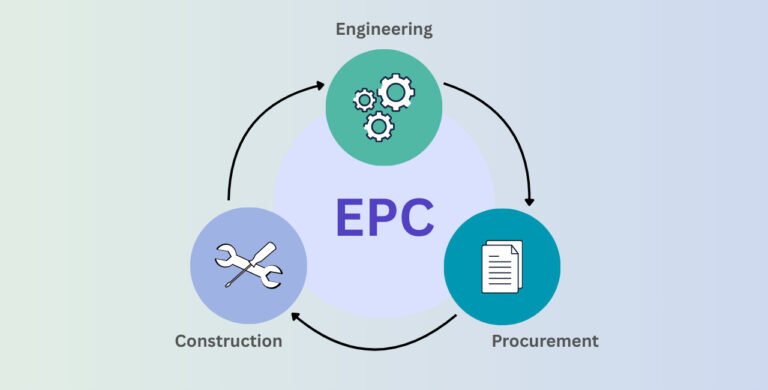
Why Battery Supplier Selection Matters More Than Ever
In many solar and energy storage projects, EPC contractors spend considerable time evaluating:
- Inverters
- Solar modules
- Mounting structures
- Electrical equipment
Yet battery supplier selection is often based on only three factors:
- Price
- Delivery time
- Capacity
Unfortunately, this approach can create significant project risks.
A battery supplier is not simply a product vendor.
For many projects, they become part of the engineering team, commissioning team, and long-term support structure.
The wrong supplier can create problems that continue long after installation is completed.
Question 1: Can This Supplier Support My Project, Not Just Supply Batteries?
Many suppliers can provide batteries.
Far fewer can support a complete project.
Before making a decision, ask:
- Have they worked on similar projects?
- Do they understand telecom applications?
- Have they supported commercial ESS systems?
- Can they provide engineering recommendations?
A supplier who understands your application can often prevent problems before they occur.
Question 2: What Happens If There Is a Technical Problem?
Most procurement discussions focus on the order.
Few discussions focus on what happens after delivery.
Ask:
- How quickly can technical support respond?
- Is remote troubleshooting available?
- Who handles communication issues?
- Is there engineering support during commissioning?
The quality of support often becomes more important than the battery itself once the project is operational.
Question 3: Are the Batteries Compatible With Existing Equipment?
Compatibility issues are among the most common causes of project delays.
Before purchasing, verify:
- Inverter compatibility
- CAN communication support
- RS485 communication support
- Monitoring platform integration
- Existing rectifier compatibility
A battery that cannot communicate correctly with the system may create months of unnecessary troubleshooting.
Question 4: What Testing Is Performed Before Shipment?
Many quotations mention:
100% Tested
But what does that actually mean?
Professional buyers should ask:
- Is capacity tested?
- Is BMS functionality verified?
- Is communication tested?
- Are serial numbers traceable?
- Are test records available?
The answers often reveal important differences between suppliers.
Question 5: Can the Supplier Support Future Expansion?
Energy projects rarely remain unchanged.
Future requirements may include:
- Additional batteries
- Increased capacity
- New communication requirements
- Software upgrades
Selecting a supplier capable of supporting future growth helps protect long-term project investment.
Question 6: How Is Warranty Support Managed?
Many suppliers advertise:
- 3-year warranty
- 5-year warranty
- 10-year warranty
However, buyers should ask deeper questions:
- What is the actual warranty process?
- How are failures evaluated?
- What documentation is required?
- How are replacement units provided?
A clear warranty process is often more valuable than a longer warranty period.
Question 7: Is This a Supplier or a Long-Term Partner?
The final question is often the most important.
Ask yourself:
Would I be comfortable working with this company on my next ten projects?
The best suppliers provide:
- Technical support
- Engineering assistance
- Documentation
- Project experience
- Honest communication
These qualities create long-term value beyond a single transaction.
A Common EPC Procurement Mistake
An EPC contractor issued a request for quotation for a commercial ESS project.
The lowest quotation was selected.
The supplier met the capacity requirements and delivery schedule.
However, after delivery:
- Communication integration issues emerged.
- Documentation was incomplete.
- Technical support response was slow.
The project was eventually completed, but commissioning took significantly longer than planned.
The contractor later revised its supplier evaluation process to include:
- Engineering capability
- Technical support
- Project experience
- Communication compatibility
rather than focusing primarily on price.
What Successful EPC Contractors Prioritize
Experienced EPC teams typically evaluate:
Technical Capability
Can the supplier solve problems?
Product Consistency
Can future orders match current quality?
Communication
Can engineers communicate effectively?
Documentation
Are manuals and drawings complete?
Long-Term Support
Will assistance be available after commissioning?
These factors often determine project success more than the initial quotation.
HIZN Engineering Perspective
In our experience, the most successful projects begin with technical discussions rather than price negotiations.
When EPC contractors share:
- Project objectives
- Site conditions
- Equipment lists
- Expansion plans
engineers can recommend solutions that improve project reliability and reduce future risk.
The earlier these discussions occur, the smoother the project usually becomes.
Conclusion
Selecting a battery supplier is not simply a purchasing decision.
It is a project decision.
By asking the right questions before placing an order, EPC contractors can reduce procurement risk, improve installation efficiency, and build stronger long-term partnerships.
The best battery supplier is not always the cheapest.
It is the supplier that helps the project succeed.