
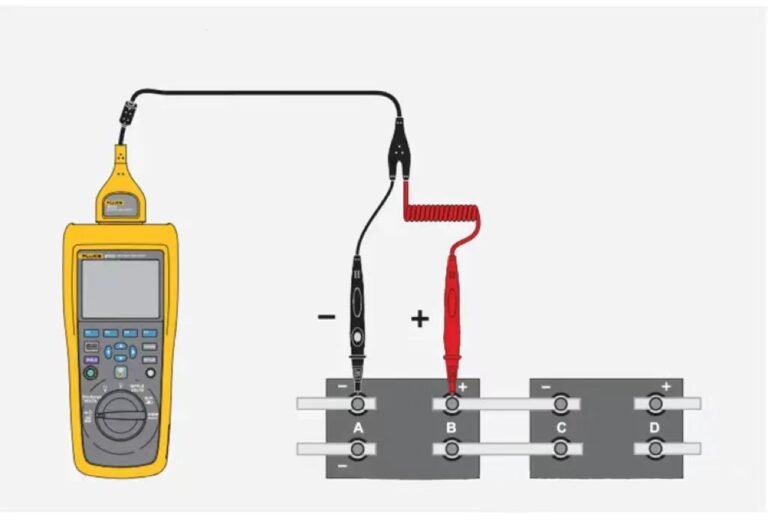
Meta Description
Learn what internal resistance in LiFePO4 batteries is, how it works, and why it matters for energy storage performance and lifespan.
What Is Internal Resistance in LiFePO4 Batteries?
Introduction
Internal resistance is one of the most critical yet often overlooked parameters in LiFePO4 batteries. It directly affects efficiency, heat generation, and overall battery performance.
Definition of Internal Resistance
Internal resistance refers to the resistance within a battery that opposes the flow of current.
It includes:
- Ohmic resistance (electrodes, electrolyte, connectors)
- Charge transfer resistance
- Diffusion resistance
Why Internal Resistance Exists
Even high-quality LiFePO4 batteries have internal resistance due to:
- Material properties
- Electrochemical reactions
- Manufacturing processes
Typical Internal Resistance Values
For energy storage LiFePO4 batteries:
- Single cell: ~0.2–0.5 mΩ
- Battery pack: varies depending on configuration
👉 Lower internal resistance = better performance
How Internal Resistance Affects Performance
Voltage Drop
Higher resistance leads to greater voltage drop under load
Heat Generation
Power loss = I²R
Higher resistance → more heat
Efficiency Loss
Energy is lost as heat instead of usable power
Internal Resistance vs Battery Quality
Low internal resistance indicates:
- High-quality cells
- Better consistency
- Longer lifespan
Conclusion
Understanding internal resistance helps users:
- Select better batteries
- Optimize system performance
- Avoid hidden losses