
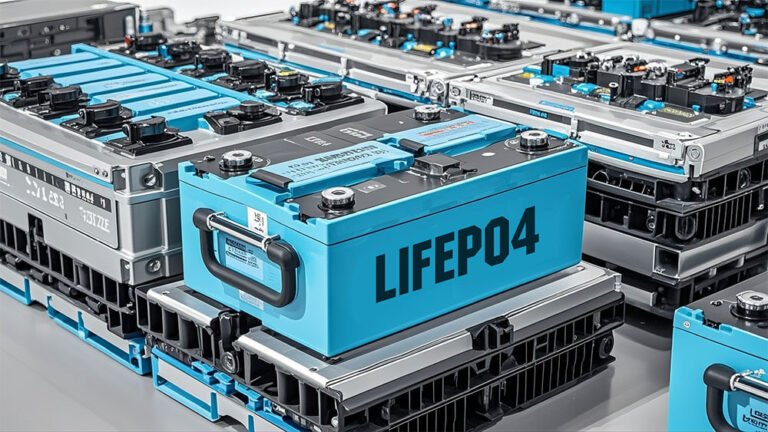
Introduction
Many buyers interested in solar energy storage systems notice one major difference immediately:
LiFePO4 batteries are much more expensive than traditional lead-acid batteries.
This often leads to questions such as:
- Why are lithium batteries so expensive?
- Are LiFePO4 batteries worth the cost?
- What makes lithium batteries more expensive than AGM or GEL batteries?
- Will lithium battery prices continue decreasing?
Although lithium batteries have a higher upfront price, they also provide major long-term advantages.
This guide explains the real reasons behind LiFePO4 battery pricing and why many users still consider them the best investment for energy storage systems in 2026.
What Is a LiFePO4 Battery?
LiFePO4 stands for Lithium Iron Phosphate.
It is one of the most advanced lithium battery technologies used in:
- solar energy storage
- telecom backup
- UPS systems
- residential ESS
- off-grid solar
- commercial energy storage
Compared with traditional lead-acid batteries, LiFePO4 batteries offer:
- longer lifespan
- higher efficiency
- deeper discharge
- lower maintenance
- better thermal stability
However, these advantages also increase manufacturing complexity and cost.
Main Reasons LiFePO4 Batteries Are Expensive
Several important factors contribute to the higher price of lithium batteries.
1. High-Quality Lithium Cells
The lithium cells themselves are one of the largest cost components.
Premium LiFePO4 cells require:
- advanced materials
- strict manufacturing processes
- precision quality control
High-grade cells provide:
- longer cycle life
- better consistency
- improved safety
- stable performance
Low-quality cells may reduce battery lifespan dramatically.
2. Built-In Battery Management System (BMS)
Unlike lead-acid batteries, LiFePO4 batteries require intelligent electronic protection.
The BMS protects against:
- overcharging
- over-discharging
- overheating
- short circuits
- cell imbalance
A high-quality BMS significantly improves battery safety and lifespan.
Typical BMS Functions
| Protection Function | Purpose |
|---|---|
| Overvoltage Protection | Prevents overcharging |
| Undervoltage Protection | Prevents deep discharge |
| Temperature Protection | Prevents overheating |
| Current Protection | Prevents overload damage |
| Cell Balancing | Maintains voltage consistency |
Advanced BMS systems increase manufacturing cost.
3. Longer Lifespan
LiFePO4 batteries commonly achieve:
4000−70004000-70004000−7000
cycles.
Compared with lead-acid batteries:
| Battery Type | Typical Cycles |
|---|---|
| AGM | 500–1200 |
| GEL | 800–1500 |
| LiFePO4 | 4000–7000 |
Longer lifespan means:
- fewer replacements
- lower long-term cost
- better return on investment
This long service life is one reason lithium batteries cost more initially.
4. Higher Energy Density
LiFePO4 batteries store more energy in smaller space.
Advantages include:
- lighter weight
- compact design
- easier installation
- reduced transportation cost
Higher energy density requires more advanced engineering and materials.
5. Safer Chemistry
LiFePO4 chemistry is considered one of the safest lithium technologies available.
It offers:
- excellent thermal stability
- lower thermal runaway risk
- stable chemical structure
Safety-focused manufacturing standards increase production cost.
6. Advanced Manufacturing Processes
Lithium battery production is much more complex than lead-acid battery manufacturing.
It requires:
- precision automation
- dry room environments
- laser welding
- cell matching systems
- electronic testing
Modern lithium factories involve high capital investment.
7. Research and Development Costs
The lithium battery industry continues evolving rapidly.
Manufacturers invest heavily in:
- BMS software
- battery optimization
- safety engineering
- thermal management
- inverter communication compatibility
These R&D expenses are reflected in product pricing.
8. Communication and Smart Features
Modern LiFePO4 batteries often include:
- CAN communication
- RS485 communication
- Bluetooth monitoring
- WiFi monitoring
- LCD displays
These intelligent features improve system monitoring but increase cost.
9. International Certifications
High-quality lithium batteries often require certifications such as:
- CE
- UN38.3
- MSDS
- IEC
- UL
Testing and certification costs are significant.