
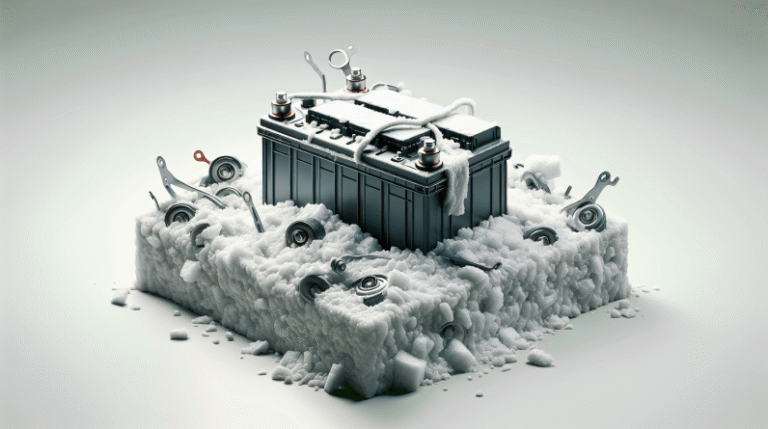
Introduction
A common concern for lithium battery users is:
Can LiFePO4 batteries work in cold environments?
This is especially important for:
- Europe
- North America
- high-altitude regions
- winter solar systems
This guide explains cold-weather performance and protection mechanisms.
How Cold Affects Lithium Batteries
Low temperature affects:
- chemical reaction speed
- internal resistance
- charging efficiency
Discharging in Cold Weather
LiFePO4 batteries can usually discharge safely even in cold conditions.
However performance may reduce.
Charging in Cold Weather (Critical Issue)
Charging below freezing may cause:
- lithium plating
- permanent damage
- capacity loss
Minimum Safe Charging Temperature
0°C
Why Charging Below 0°C Is Dangerous
At low temperatures:
- lithium ions move slowly
- plating occurs on anode
- irreversible damage may happen
Built-in Low Temperature Protection
Modern LiFePO4 batteries include:
- temperature sensors
- BMS shutdown protection
- low-temp charging cutoff
Self-Heating Lithium Batteries
Advanced ESS systems include:
- heating pads
- automatic temperature control
- pre-charging heating systems
Recommended Operating Temperature
Ideal range:
15°C−35°C
Cold Weather Performance Comparison
| Battery Type | Cold Performance |
|---|---|
| Lead-Acid | Moderate |
| LiFePO4 | Good (with protection) |
Solar System in Winter
In winter:
- solar output decreases
- battery cycles increase
- efficiency becomes critical
Lithium batteries perform better than lead-acid in most cases.
Common Cold Weather Mistakes
Charging Frozen Batteries
May cause permanent damage.
Ignoring Temperature Settings
Inverters must support low-temp protection.
Outdoor Installation Without Protection
Requires insulated cabinets or heating systems.
Best Practices
- install batteries indoors when possible
- use insulated enclosures
- enable BMS temperature protection
- avoid charging below 0°C
Conclusion
LiFePO4 batteries can be used in cold environments with proper protection.
Key points:
- discharge works in cold conditions
- charging below 0°C must be avoided
- BMS protection is essential
- heating systems improve performance
With proper design, lithium batteries can operate reliably in most global climates.