
Meta Description:
Improper transportation and installation can silently damage LiFePO4 batteries. Learn how vibration, impact, and incorrect mounting reduce ESS reliability.
Keywords: LiFePO4 installation problem, lithium battery transport damage, ESS battery safety risk
Introduction
LiFePO4 batteries are mechanically safer than other lithium chemistries, but they are still precision electrochemical systems.
Damage during:
- International shipping
- Handling
- Installation
May not cause immediate failure — but can reduce lifespan significantly.
1. Vibration During Transport
Long sea freight transportation can cause:
- Internal busbar loosening
- Cell tab fatigue
- Micro structural stress
Especially if packaging is inadequate.
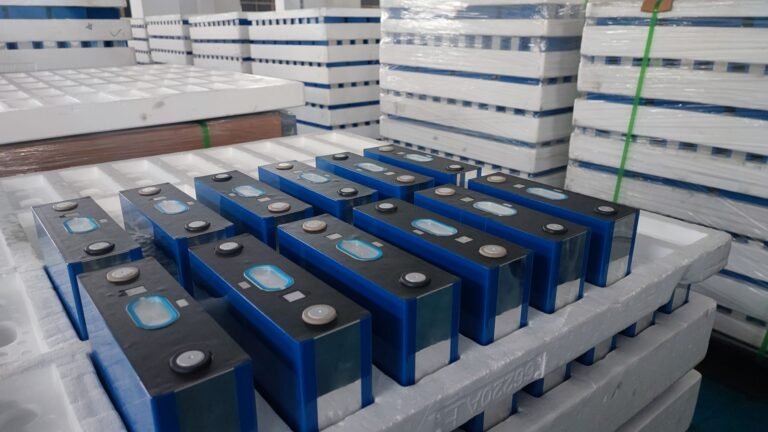
Professional export packaging should include:
✔ Foam shock absorption
✔ Anti-vibration brackets
✔ Wooden crates for LCL shipment
2. Impact Damage
Dropping battery from even 20–30 cm may:
- Deform internal cell alignment
- Damage BMS PCB
- Crack solder joints
External casing may look intact.
3. Incorrect Mounting Orientation
Some rack batteries:
- Require vertical installation
- Cannot be laid flat
Improper mounting may:
- Affect internal pressure distribution
- Influence thermal behavior
4. Over-Tightening Terminals
Excess torque:
- Damages internal threaded inserts
- Creates stress concentration
- Causes long-term connection heating
Always follow manufacturer torque specification.
5. Poor Ventilation at Installation Site
Installing battery:
- Near inverter heat exhaust
- In direct sunlight
- In sealed cabinet
Will cause:
- Chronic high temperature operation
- Faster electrolyte aging
6. Delayed Commissioning After Long Storage
If battery stored at 100% SOC for months:
- Lithium plating risk increases
- Capacity degradation accelerates
Recommended storage SOC:
40–60%
Professional Installation Guidelines
✔ Inspect voltage before installation
✔ Check mechanical damage
✔ Verify communication
✔ Perform initial full charge cycle
✔ Record baseline performance data
Conclusion
Many so-called “battery quality problems” originate from logistics or installation mistakes.
Working with an experienced LiFePO4 manufacturer ensures:
- Export-grade packaging
- Installation manuals
- Technical commissioning support