
Meta Description
Learn what IP ratings mean for LiFePO4 batteries. Discover which waterproof level is best for solar energy storage systems and outdoor battery installations.
Keywords
LiFePO4 battery IP rating, waterproof lithium battery, IP65 battery, IP67 battery, solar energy storage battery protection
Introduction
With the rapid growth of renewable energy systems, LiFePO4 (Lithium Iron Phosphate) batteries are increasingly used in solar energy storage, telecom systems, and industrial backup power. Many installations occur outdoors or in harsh environments, making waterproof protection an important factor.
One of the most important standards used to measure waterproof performance is the IP rating (Ingress Protection rating). Understanding IP ratings helps system integrators and buyers select the right battery for their application.
This article explains how IP ratings work and what waterproof level is suitable for energy storage batteries.
What Is an IP Rating?
The IP rating system is defined by the international standard IEC 60529 and indicates the degree of protection against:
- Solid objects (dust, debris)
- Liquids (water)
The rating is written as IPXX, where:
First Digit – Solid Protection
| Rating | Protection Level |
|---|---|
| IP5X | Dust protected |
| IP6X | Completely dustproof |
Second Digit – Water Protection
| Rating | Protection Level |
|---|---|
| IPX4 | Splash resistant |
| IPX5 | Water jets |
| IPX6 | Powerful water jets |
| IPX7 | Temporary immersion |
| IPX8 | Continuous immersion |
For lithium energy storage batteries, the most common levels are:
- IP54
- IP65
- IP67
Why Waterproof Protection Matters for LiFePO4 Batteries
Although LiFePO4 batteries are safer than many other lithium chemistries, water exposure can still cause serious problems:
1. Short Circuit Risk
Water entering the battery enclosure can create electrical short circuits between internal components.
2. BMS Failure
The Battery Management System (BMS) is sensitive electronic circuitry. Moisture can cause corrosion or malfunction.
3. Connector Damage
External connectors exposed to water may corrode over time, increasing resistance and reducing system efficiency.
4. Reduced Lifespan
Long-term humidity exposure can degrade insulation materials and reduce battery lifespan.
Recommended IP Ratings for Different Applications
Indoor Residential Energy Storage
Recommended level:
IP20 – IP54
Indoor installations usually do not require full waterproof protection but should resist dust and occasional moisture.
Outdoor Solar Energy Storage Systems
Recommended level:
IP65
IP65 batteries are:
- Fully dustproof
- Resistant to water jets from any direction
This level is suitable for most outdoor solar battery cabinets.
Harsh Outdoor Environments
Recommended level:
IP67
IP67 batteries can withstand:
- Heavy rain
- Temporary flooding
- Outdoor industrial conditions
These batteries are ideal for:
- Telecom towers
- Remote solar systems
- Coastal installations
Waterproof Design Features in LiFePO4 Batteries
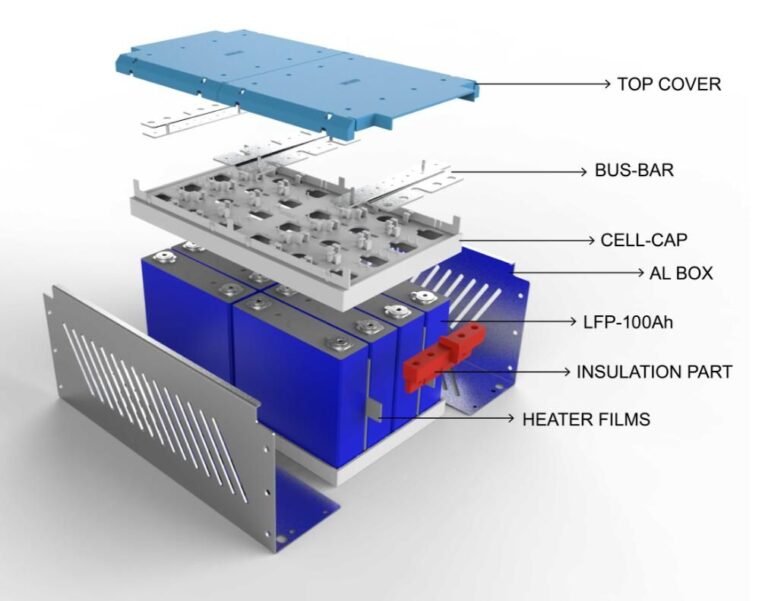
Modern energy storage batteries achieve waterproof protection through several engineering designs.
Sealed Metal Enclosures
Powder-coated steel or aluminum enclosures prevent water penetration.
Rubber Gaskets
High-quality silicone gaskets seal enclosure joints.
Waterproof Connectors
IP67-rated connectors prevent water ingress through cable connections.
Pressure Valves
Waterproof breathable valves equalize internal pressure while blocking moisture.
Common Misunderstandings About IP Ratings
Misconception 1: Higher IP is Always Better
Higher protection levels increase cost and may reduce heat dissipation.
Misconception 2: IP67 Means Permanent Underwater Use
IP67 only allows temporary immersion, not continuous underwater operation.
Misconception 3: The Battery Alone Determines Waterproofing
In reality, system waterproofing also depends on:
- Cable glands
- Battery cabinet design
- Installation method
Conclusion
Choosing the correct IP rating for LiFePO4 energy storage batteries is essential for system safety and durability. While indoor systems may only require basic protection, outdoor installations should generally use IP65 or IP67 rated batteries.
Understanding these standards allows system designers and buyers to select the most reliable battery solution for long-term operation.