
Introduction
Renewable energy is transforming the way the world generates and consumes electricity. Governments are investing heavily in clean energy, businesses are pursuing carbon neutrality, and homeowners are installing rooftop solar systems at record rates. However, one fundamental challenge remains:
Solar panels only produce electricity when sunlight is available.
Electricity demand, on the other hand, rarely matches solar production. Families often consume the most electricity in the early morning and evening, while commercial facilities experience varying demand throughout the day. This mismatch between energy generation and energy consumption makes energy storage one of the most important technologies in the renewable energy industry.
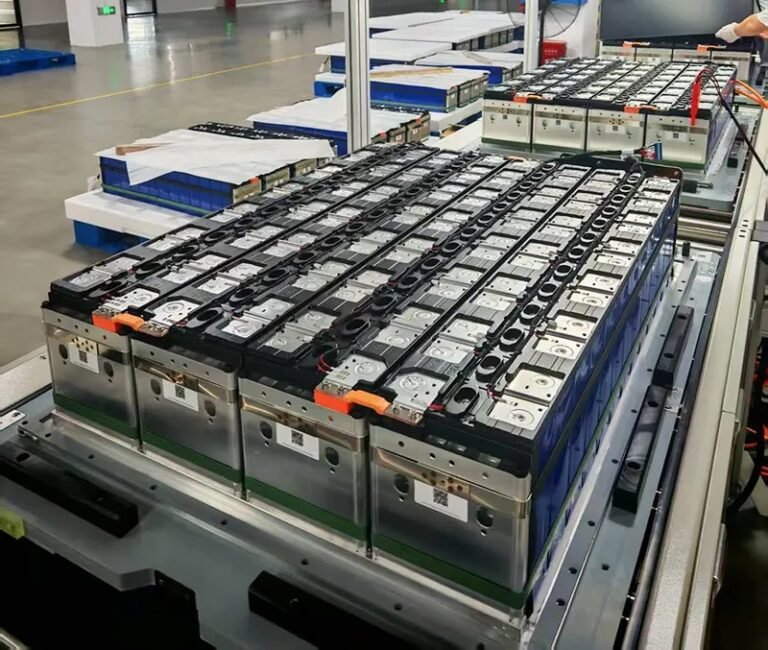
Among all available battery technologies, Lithium Iron Phosphate (LiFePO4) has become the preferred choice for modern energy storage systems.
Today, LiFePO4 batteries are widely deployed in:
- Residential Energy Storage Systems (ESS)
- Commercial and Industrial Energy Storage (C&I ESS)
- Telecom Backup Power Systems
- Data Centers
- Off-Grid Solar Installations
- Microgrids
- Agricultural Power Systems
- Mobile Energy Storage Solutions
Compared with traditional lead-acid batteries, LiFePO4 technology offers significantly longer service life, higher efficiency, improved safety, lower maintenance requirements, and lower lifetime ownership costs.
This guide explains every aspect of LiFePO4 batteries, from basic principles to advanced system design, helping homeowners, EPC contractors, battery distributors, system integrators, and project developers make informed decisions.
What Does LiFePO4 Mean?
LiFePO4 stands for Lithium Iron Phosphate, referring to the cathode material used inside the battery.
The chemical composition includes:
- Lithium (Li)
- Iron (Fe)
- Phosphate (PO₄)
Unlike older lithium chemistries that use cobalt-based materials, LiFePO4 chemistry emphasizes safety, structural stability, and long operational life.
Although various lithium-ion batteries share similar operating principles, the cathode material determines many of the battery’s performance characteristics, including:
- Energy density
- Thermal stability
- Cycle life
- Safety
- Charging behavior
- Environmental performance
For stationary energy storage, these characteristics make LiFePO4 one of the most balanced and reliable battery technologies available.
The Evolution of Energy Storage Batteries
Energy storage technology has evolved considerably over the past century.
First Generation: Flooded Lead-Acid Batteries
Flooded batteries were the dominant solution for decades because they were inexpensive and widely available. However, they require regular maintenance, including electrolyte checks and water refilling.
Advantages
- Low purchase cost
- Mature manufacturing technology
- High recyclability
Limitations
- Heavy weight
- Short cycle life
- High maintenance
- Limited usable capacity
- Slow charging
Second Generation: AGM and GEL Batteries
To reduce maintenance, manufacturers introduced sealed lead-acid technologies.
These batteries improved reliability while eliminating regular watering.
However, they still suffered from:
- Limited cycle life
- Large installation footprint
- Low depth of discharge
- High replacement frequency
Third Generation: OPzV and OPzS Batteries
Tubular lead-acid batteries significantly improved service life and became popular for:
- Telecom systems
- Utility backup
- Industrial applications
Despite improved durability, they remained:
- Heavy
- Large
- Relatively inefficient compared with lithium technologies
Fourth Generation: Lithium Energy Storage
Lithium technology fundamentally changed the energy storage industry.
Among lithium chemistries, LiFePO4 has become the preferred option for stationary storage because it combines long lifespan, excellent safety, and high operating efficiency.
Today, many new residential, commercial, and telecom projects specify LiFePO4 batteries as the standard energy storage solution.