
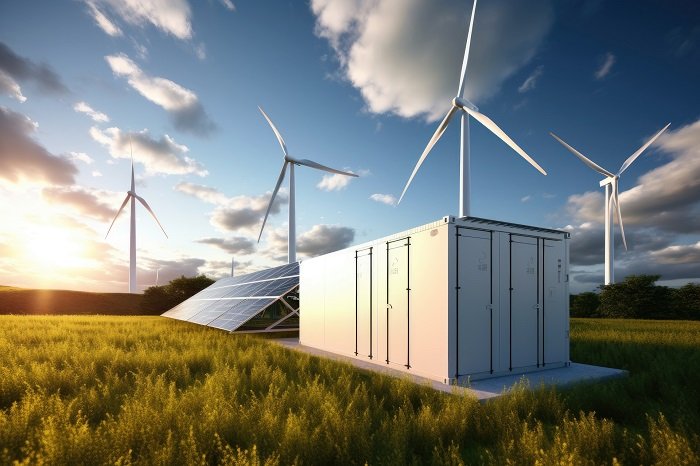
1. Why Commercial Energy Storage Is Growing Rapidly
Commercial energy storage systems (ESS) are becoming one of the fastest-growing sectors in the global energy market.
Businesses are installing ESS systems to:
- reduce electricity bills
- improve energy independence
- manage peak demand
- stabilize solar power generation
- ensure backup power during outages
In many countries, rising electricity prices and unstable power grids are driving massive demand for battery storage solutions.
As a result, choosing the right battery has become one of the most important decisions in commercial energy projects.
2. Why LiFePO4 Batteries Dominate Commercial ESS Projects
Today, most commercial ESS projects prefer LiFePO4 batteries because they offer:
- Long cycle life
- High operational safety
- Excellent thermal stability
- Lower long-term operating cost
- Flexible modular expansion
Compared with traditional lead-acid batteries, lithium systems deliver significantly better long-term performance.
3. Key Requirements for Commercial ESS Batteries
Commercial projects are very different from residential systems.
They usually require:
- daily cycling
- large energy capacity
- high system efficiency
- scalable architecture
- intelligent monitoring systems
Typical applications include:
- factories
- shopping malls
- office buildings
- industrial parks
- solar farms
- telecom infrastructure
4. How to Choose Battery Capacity for Commercial ESS
Battery sizing depends on:
- daily energy consumption
- peak load reduction goals
- backup time requirements
- solar generation capacity
Example Calculation
Factory load:
- 50 kW
Peak shaving duration:
- 4 hours
Energy required:
Considering:
- inverter efficiency
- battery aging
- reserve margin
👉 Recommended ESS capacity:
220–250 kWh
5. Peak Shaving vs Backup Power
Commercial ESS projects usually have two main goals:
5.1 Peak Shaving
Reduce electricity costs during peak tariff periods.
Battery charges during low-price periods and discharges during expensive peak hours.
Benefits:
- lower electricity bills
- faster ROI
- grid optimization
5.2 Backup Power
Provide emergency power during outages.
Critical for:
- factories
- hospitals
- data centers
- telecom systems
6. Why Cycle Life Is Extremely Important
Commercial ESS systems often cycle:
- every day
- sometimes multiple times daily
This makes cycle life critical.
Battery Lifespan Comparison
| Battery Type | Typical Cycle Life |
|---|---|
| Lead-acid | 300–800 cycles |
| LiFePO4 | 4000–8000 cycles |
👉 A lithium battery may last 10+ years in commercial applications.
7. Safety Considerations in ESS Projects
Safety is one of the biggest concerns in commercial energy storage.
A reliable ESS battery should include:
- intelligent BMS
- temperature monitoring
- fire protection design
- cell balancing
- short-circuit protection
LiFePO4 chemistry is preferred because of its:
- high thermal stability
- low fire risk
- safer operating characteristics
8. Rack-Mounted vs Container ESS Systems
Rack-Mounted Systems
Suitable for:
- small-to-medium commercial projects
Advantages:
- modular expansion
- easier maintenance
- flexible installation
Containerized ESS Systems
Suitable for:
- large industrial projects
- utility-scale energy storage
Advantages:
- integrated solution
- large capacity
- easier transportation and deployment
9. Smart Monitoring & Communication
Modern ESS projects require intelligent energy management.
Common communication protocols:
- RS485
- CAN
- Modbus
Benefits:
- remote monitoring
- fault diagnosis
- system optimization
- energy usage analysis
10. Common Mistakes in Commercial ESS Projects
Mistake 1: Choosing Based on Initial Price Only
Cheap systems often result in:
- poor cycle life
- high maintenance cost
- frequent failures
Mistake 2: Ignoring Future Expansion
Energy demand usually grows.
ESS systems should support:
- modular scalability
- parallel expansion
Mistake 3: Poor Thermal Design
High temperatures reduce battery lifespan dramatically.
Proper cooling and ventilation are critical.
Mistake 4: Low-Quality BMS
Weak BMS systems can lead to:
- cell imbalance
- overheating
- reduced lifespan
11. Recommended Commercial ESS Configuration
For most commercial projects:
👉 Recommended solution:
- 51.2V LiFePO4 battery modules
- Intelligent BMS
- Rack or container ESS
- Hybrid inverter system
- Remote monitoring platform
12. ROI Analysis: Why Lithium Is More Profitable
Although lithium batteries cost more initially, they offer:
- lower replacement cost
- lower maintenance
- higher efficiency
- better electricity savings
👉 In many projects, ROI can be achieved within 3–5 years.
13. Final Recommendation
For commercial ESS projects requiring:
- long-term stability
- daily cycling
- lower operating cost
- high safety
👉 LiFePO4 batteries are currently the best investment.
📩 FREE Commercial ESS Project Design
We provide:
- ESS system sizing
- Battery configuration
- Rack & container ESS solutions
- OEM / ODM customization
- Technical consultation
👉 Send us:
- Load profile
- Solar capacity
- Backup requirements
- Project location
💡 We will provide a customized ESS proposal within 24 hours.